

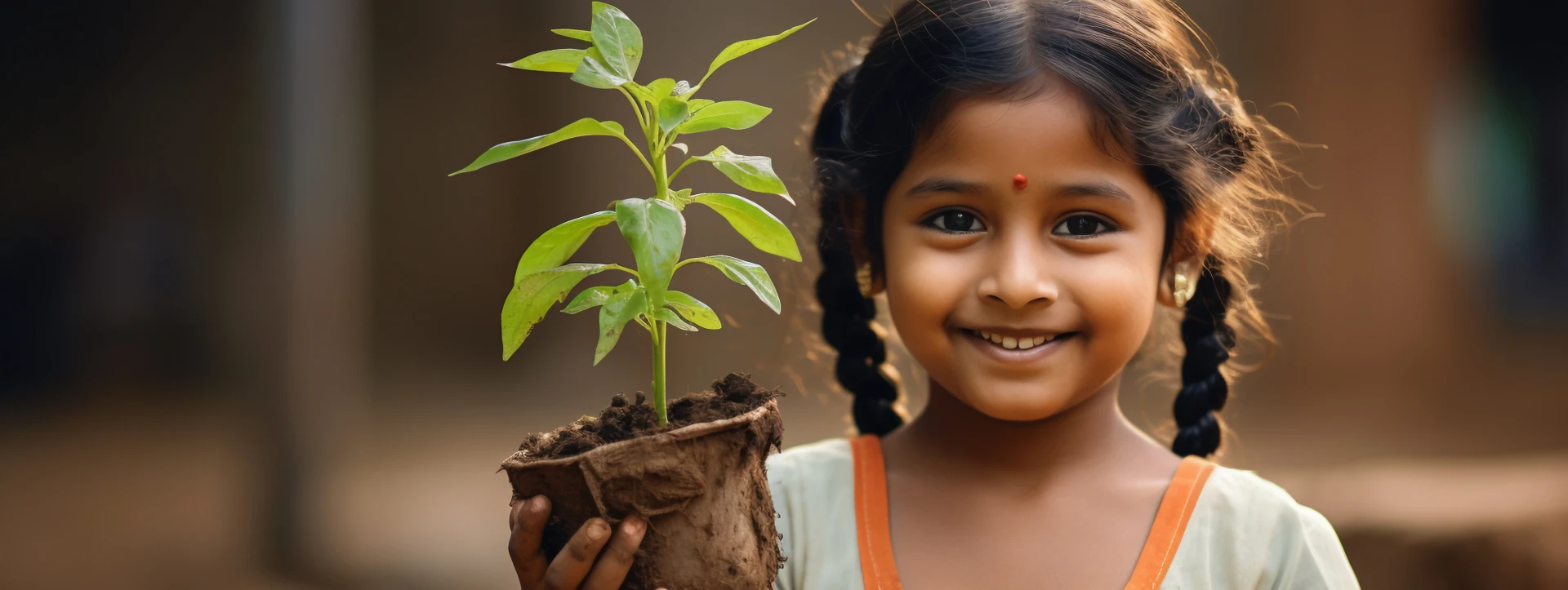
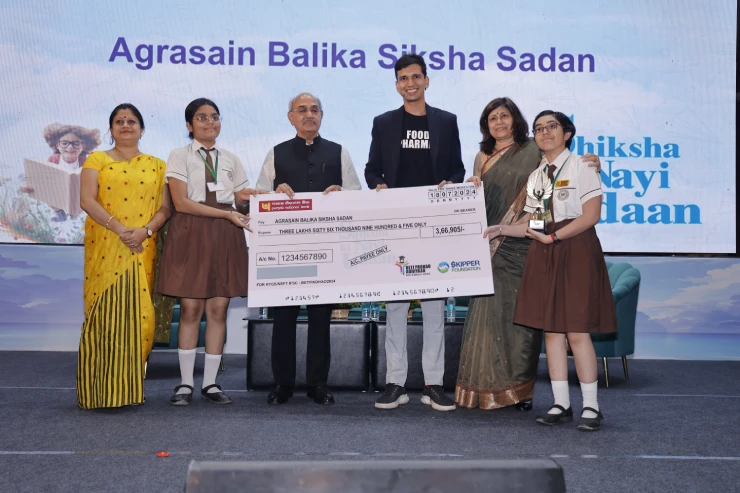
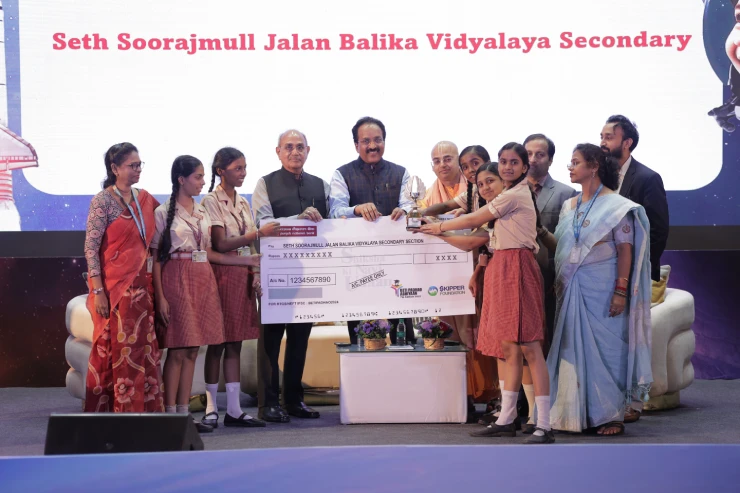
In 2017, we launched the Beti Padhao Abhiyan, inspired by the government's Beti Bachao, Beti Padhao Yojana. It has now become a flagship project. We annually select underprivileged girls from schools in Kolkata & Howrah and provide them with scholarships based on their individual needs.

Creating inspirational impactBeyond financial aid, the challenge is to deliver an event that would inspire students, parents, and educators alike, reinforcing the long-term importance of education for girls.
EmpowermentThe scholarships not only provide financial relief but also instill confidence and motivation among the recipients, encouraging them to continue their education and dream bigger.
Strengthened CSR identityThe success of all the editions reinforces Skipper’s identity as a socially responsible and community-focused organisation, committed to educational equity and girl child empowerment.
Educational inequality and accessMany girl students from economically weaker sections lack access to financial resources, infrastructure, and encouragement to pursue quality education. Bridging this gap remains a persistent social challenge, especially in underserved regions.
Community engagement and awarenessMobilising participation from multiple schools and communities and ensuring their active involvement in such initiatives often requires significant outreach, coordination, and trust-building efforts.
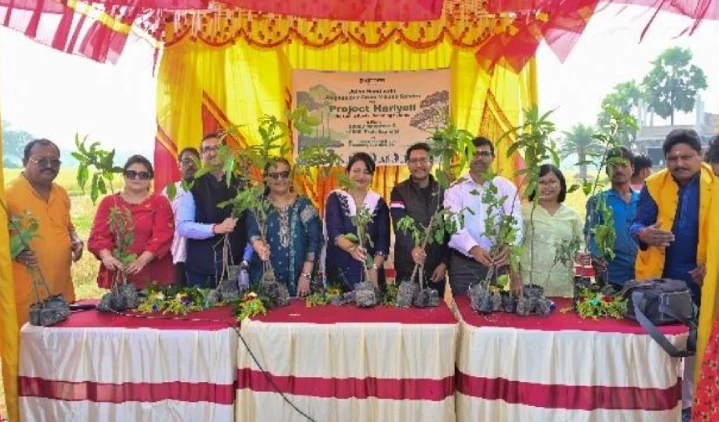
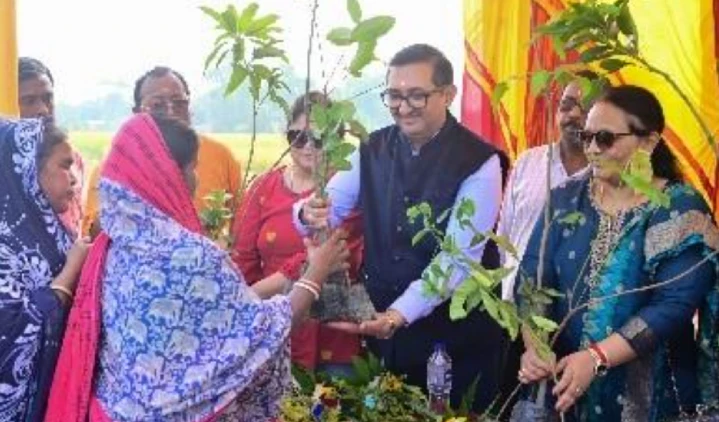
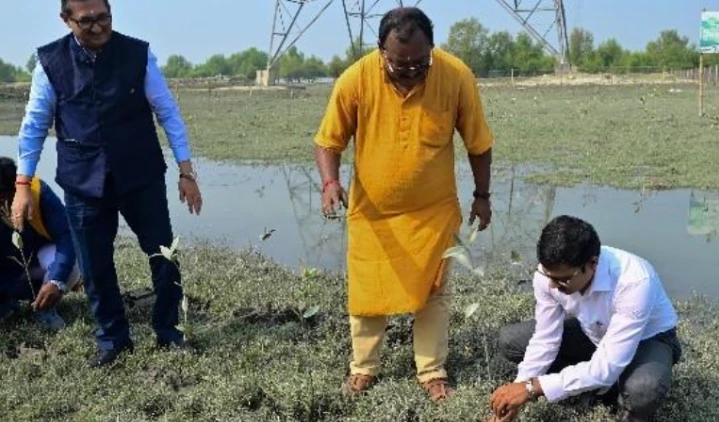
Skipper Limited in association with Joygopalpur Gram Vikas Kendra (JGVK) has made a courageous move towards empowering Sundarbans with the help of a planned plantation and community-based green project ‘Hariyali’ in the Basanti Block 24 Parganas South. The Sundarbans—spread across winding creeks, dense mangrove forests, and scattered island villages—has always been a place where beauty breathes in every tide, yet vulnerability shadows every shore. Families residing here have struggled against the odds to be able to sustain their lives and the challenges have increased in recent years.

The world of global warming has put this landscape at increased risk as the rising sea levels, high frequency cyclones and intrusion of salty water continue to erode both land and livelihood where communities are in a frantic fight to save their homes.
The Hariyali project aims at setting up a community-based mangrove nursery to plant 20,000 saplings of mangroves and 10,000 fruit bearing plants. While the plants were sold to the neediest families in the region, the mangrove forests will contribute towards the mitigation of coastal erosion, storm waves and intrusion of saline water, which provides permanent stability of vulnerable families.
Conversely, plantations bearing fruits will contribute towards sustaining nutritional requirements of the households and provide an opportunity of generating additional income to the beneficiaries. The survival rate of the plants after two years is approximately 80%. These undertakings promote carbon sequestration and the production of blue carbon, in addition to empowering the resilient communities with adaptive capacity and nature-based climate solutions.
One of the world's largest integrated Transmission Tower manufacturing companies


The company is also engaged in EPC Projects in Power Transmission & Distribution, Telecom infra and Railway Structures

Skipper Limited is a national powerhouse in the Polymer Pipe business.


3A, Loudon Street, Kolkata- 700017, India

