

11-Aug-2026 Admin
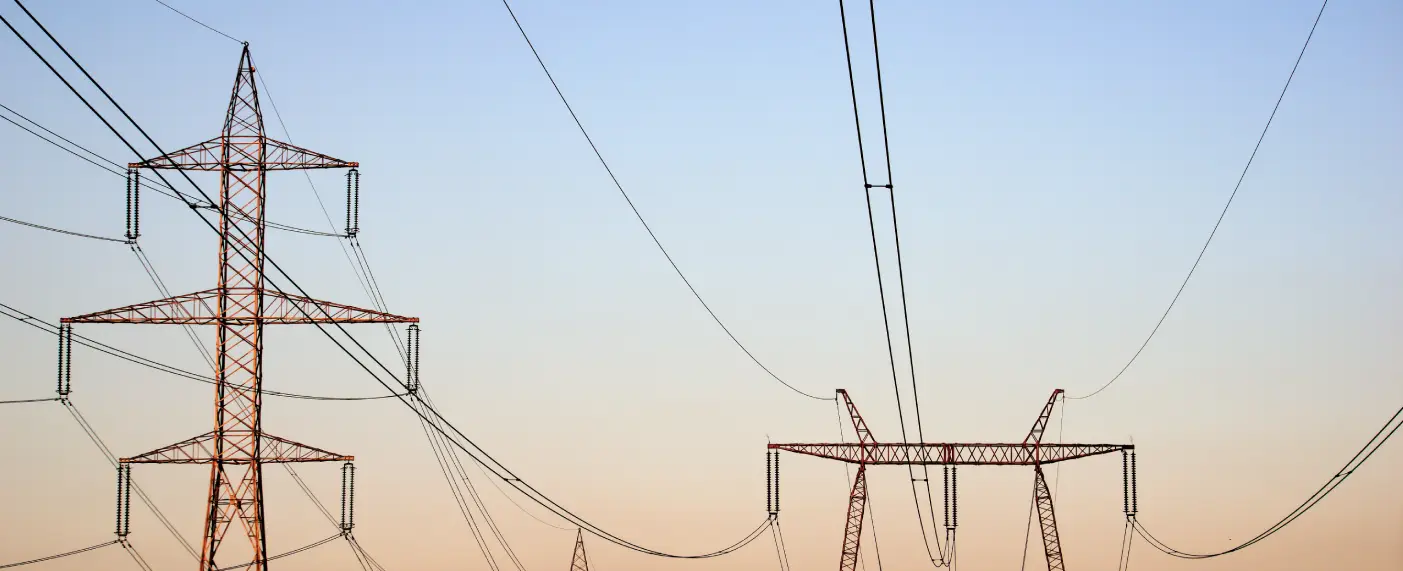
The world's energy landscape is undergoing a rapid transformation, with a focus on cleaner and more sustainable sources of power. As we move towards a greener future, it is crucial to enhance and upgrade the transmission and distribution systems that deliver electricity to homes, businesses, and industries. This blog will delve into the global transmission and distribution trends that are shaping the power sector and paving the way for more efficient and reliable energy infrastructure.
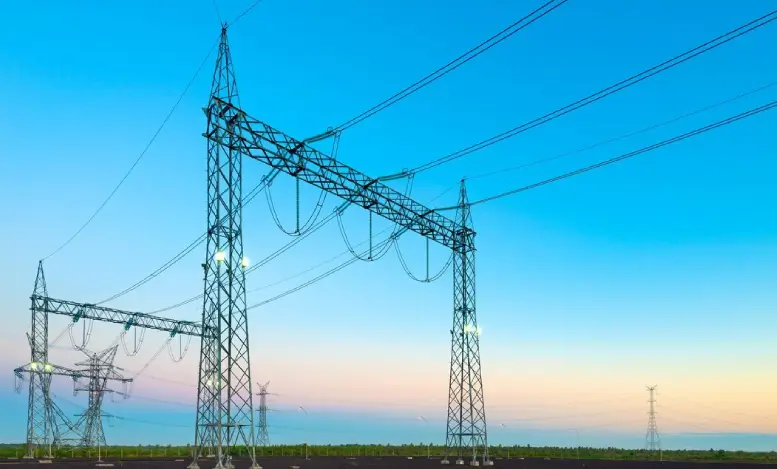
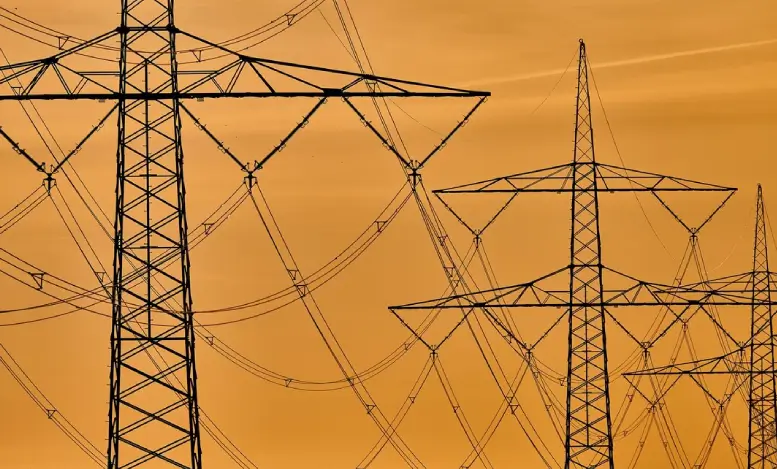
Upgradation of the present Grid and T&D systems is a significant trend in the field of transmission and distribution. The majority of our existing transmission and distribution networks were constructed between the 1950s and 1970s. This presents a concern, especially considering the increasingly frequent occurrences of extreme weather events. These events highlight the vulnerability of our power infrastructure as we enter an era where such incidents are expected to become more commonplace.
To address this, ageing power grids are undergoing upgrades with the implementation of advanced technologies. Smart grid solutions, encompassing cutting-edge sensors, real-time data analytics, and automation, are being deployed to enhance the efficiency, reliability, and resilience of the system. Moreover, grid modernization entails the integration of renewable energy sources, energy storage systems, and electric vehicle charging infrastructure into the grid, ensuring a seamless and well-balanced power supply.
The emergence of distributed energy resources (DERs) like solar panels, wind turbines, and energy storage systems is driving a transition towards a decentralized power generation paradigm. This change necessitates adaptations in transmission and distribution systems to facilitate bidirectional power flow and efficiently manage intermittent energy sources. Microgrids, characterized as smaller-scale power grids capable of operating autonomously or in tandem with the main grid, are gaining traction, particularly in remote areas or locations susceptible to natural disasters. These decentralized systems not only bolster grid resilience and minimize transmission losses but also empower local communities to generate their own renewable energy.
The electrification of diverse sectors, such as transportation and heating, is fueling the demand for resilient transmission and distribution infrastructure. With the widespread adoption of electric vehicles (EVs), there is a need to expand charging networks and implement intelligent load management systems to enable efficient and dependable charging services. To address this, smart charging solutions are being employed to optimize charging schedules, considering both grid conditions and customer preferences. These solutions aim to alleviate grid stress during peak demand periods while ensuring reliable and optimized EV charging experiences.
Energy storage systems have a crucial role in maintaining a balance between intermittent renewable energy generation and promoting grid stability. Transmission and distribution networks are evolving to incorporate extensive energy storage installations, including lithium-ion batteries, pumped hydro storage, and emerging technologies like flow batteries and hydrogen storage. The integration of energy storage at different points throughout the grid enhances grid flexibility, facilitates seamless power dispatch, and overall improves the reliability of the system.
To optimize the utilization of existing infrastructure and manage peak demand, grid flexibility and demand response programs are becoming increasingly important. By incentivizing consumers to modify their electricity consumption patterns, utilities can reduce strain on the grid during peak periods. T&D operators are leveraging advanced metering infrastructure, real-time communication systems, and data analytics to enable dynamic pricing, demand-side management, and load-shedding strategies. This not only helps balance supply and demand but also encourages energy efficiency and cost savings.
The transmission and distribution sector is experiencing a transformative impact from the progress in digital technologies and data analytics. Utilities are harnessing real-time data derived from sensors, smart meters, and various grid devices to monitor the performance of the system, optimize asset management, and effectively identify and address outages. The implementation of predictive analytics and machine learning algorithms allows for demand forecasting, proactive maintenance identification, and optimized grid operations. By embracing these digital solutions, grid resilience is enhanced, downtime is minimized, and the overall performance of the system is significantly improved.
In most developing countries the Transmission and Distribution (T&D) trends are influenced by various factors such as the country's increasing energy demand, rapid urbanization, and focus on rural energy integration. For Example - India has made significant progress in rural electrification, aiming to provide access to electricity to all households. The T&D sector plays a crucial role in extending the grid to remote areas and implementing innovative solutions like microgrids, off-grid renewable systems, and decentralized power generation.
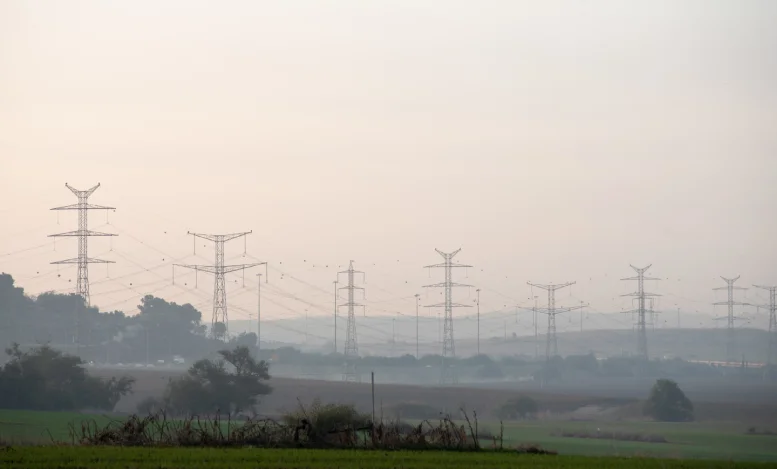
These initiatives help in improving energy access, promoting socio-economic development, and reducing reliance on fossil fuel-based power generation. Moreover, India has set ambitious renewable energy targets, including 450 GW of renewable capacity by 2030. This requires robust T&D infrastructure to accommodate the integration of solar, wind, and other renewable energy sources into the grid. The transmission grid is being strengthened to facilitate the long-distance transmission of renewable power from resource-rich regions to demand centres.
In Conclusion, the global transmission and distribution landscape is undergoing a significant transformation to meet the challenges of a sustainable and decarbonised future. Grid modernisation, decentralisation, electrification, energy storage integration, and digitalisation are key trends driving the evolution of power systems worldwide. As these trends continue to shape the transmission and distribution sector, we can expect a more resilient, efficient, and flexible energy infrastructure that will power our societies, promote renewable energy adoption, and contribute to a greener and more sustainable planet.


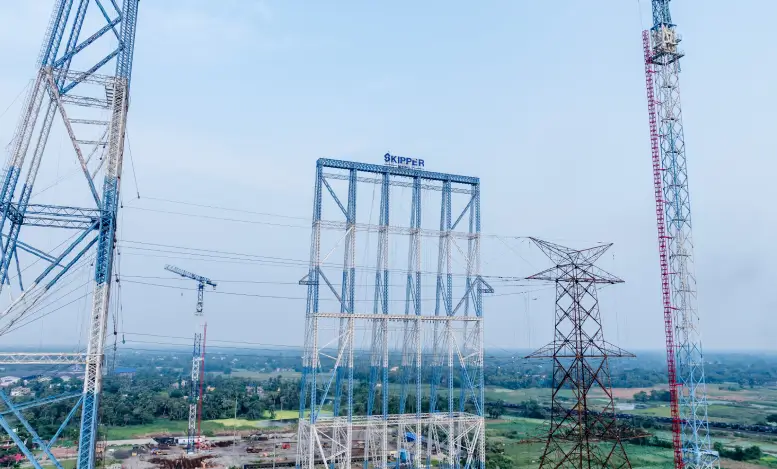
One of the world's largest integrated Transmission Tower manufacturing companies

The company is also engaged in EPC Projects in Power Transmission & Distribution, Telecom infra and Railway Structures
Skipper Limited is a national powerhouse in the Polymer Pipe business.

3A, Loudon Street, Kolkata- 700017, India