

11-Aug-2026 Admin

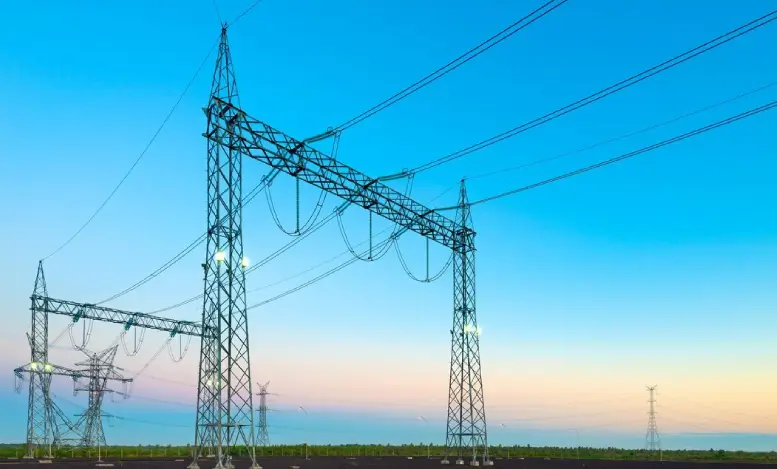
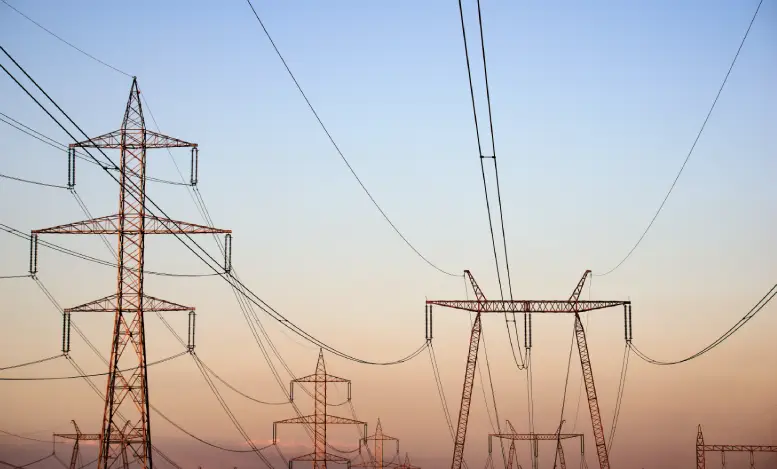
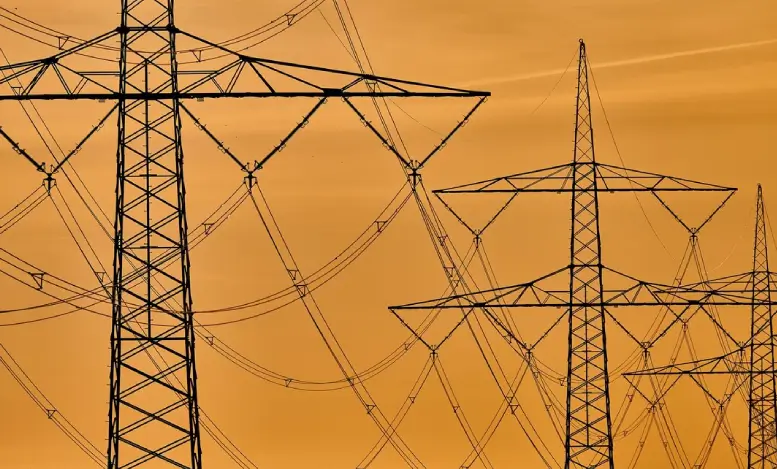
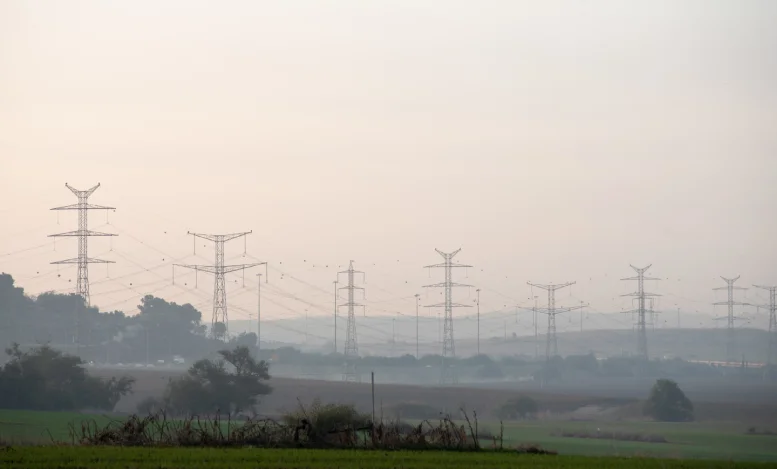
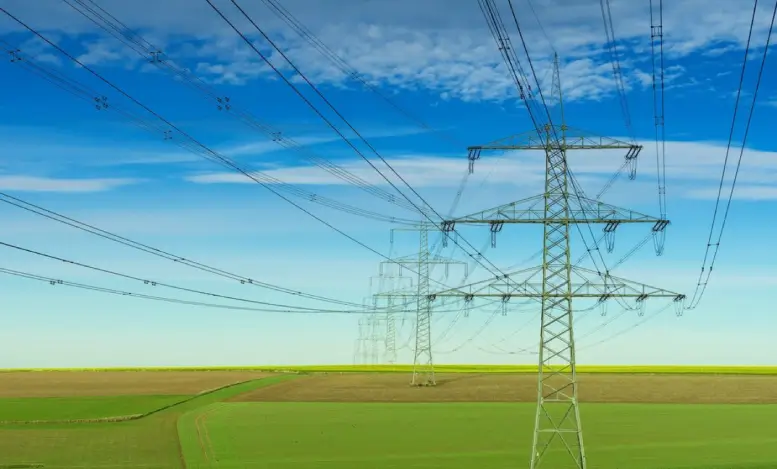
The power transmission and distribution (T&D) industry plays a crucial role in delivering electricity from power plants to end consumers efficiently and reliably. In recent years, there have been significant advancements and breakthroughs in this industry, driven by technological innovations, evolving energy demands, and a growing focus on sustainability. In this blog post, we will delve into the latest research and developments in the power T&D industry, highlighting key areas of progress and their potential impact on the future of energy distribution.
One of the major research areas in the T&D industry is grid modernization, which aims to enhance the efficiency, reliability, and resilience of power grids. Researchers are exploring advanced monitoring and control systems, including sensor technologies, real-time data analytics, and intelligent automation, to optimize grid operations. Smart grid technologies enable better demand response management, integration of renewable energy sources, and improved outage management, ultimately leading to a more flexible and sustainable energy infrastructure.

HVDC transmission is gaining significant attention as a viable solution for long-distance power transmission with reduced losses. Ongoing research focuses on improving HVDC converter technologies, enhancing converter efficiency, and developing advanced control algorithms for optimal power flow management. HVDC grids have the potential to enable efficient integration of offshore wind farms, interconnection of regional grids, and seamless transmission across different voltage levels, fostering a more interconnected and resilient power system.

Energy storage is a critical component for managing the intermittent nature of renewable energy sources and improving grid stability. Researchers are exploring advanced energy storage technologies such as lithium-ion batteries, flow batteries, and supercapacitors. Moreover, emerging research areas include the development of innovative storage mediums like hydrogen and compressed air energy storage, which can provide large-scale, long-duration storage solutions. Efficient energy storage systems will contribute to grid stability, load balancing, and the effective integration of renewables.
Microgrids, localized energy systems with distributed generation and storage, are gaining traction due to their ability to enhance energy reliability, support community resilience, and facilitate the integration of DERs. Research efforts are focused on developing optimal microgrid architectures, intelligent control systems, and advanced coordination mechanisms for seamless operation. Furthermore, researchers are exploring innovative DERs such as solar photovoltaics, wind turbines, and fuel cells to improve energy efficiency, reduce carbon footprint, and enhance grid resilience.
The growing adoption of electric vehicles presents new challenges and opportunities for the power T&D industry. Researchers are investigating strategies to support widespread EV charging infrastructure, including fast-charging technologies, vehicle-to-grid (V2G) integration, and smart charging management. Additionally, studies are being conducted on the impact of EVs on grid stability, load forecasting, and power quality to ensure the reliable integration of EVs into the existing power infrastructure.
The power T&D industry is witnessing rapid advancements driven by research and development efforts across various domains. Grid modernization, HVDC transmission, energy storage, microgrids, and EV infrastructure are among the key areas of focus. These advancements aim to enhance grid efficiency, reliability, and resilience while accommodating the increasing share of renewable energy sources. By staying at the forefront of research and embracing technological innovations, the power T&D industry can pave the way for a sustainable and intelligent energy future.


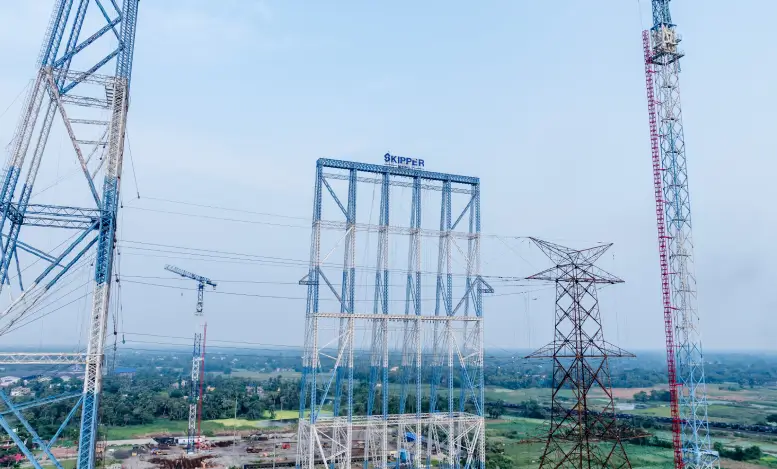
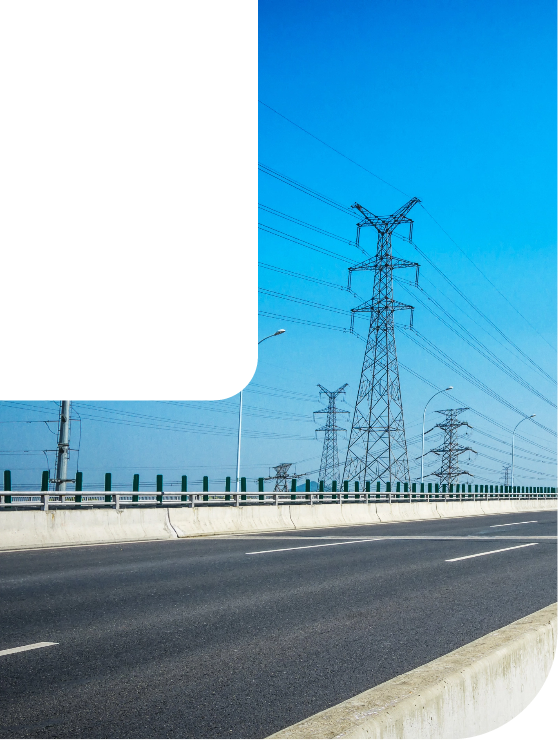
One of the world's largest integrated Transmission Tower manufacturing companies

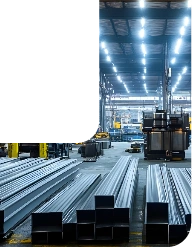
The company is also engaged in EPC Projects in Power Transmission & Distribution, Telecom infra and Railway Structures
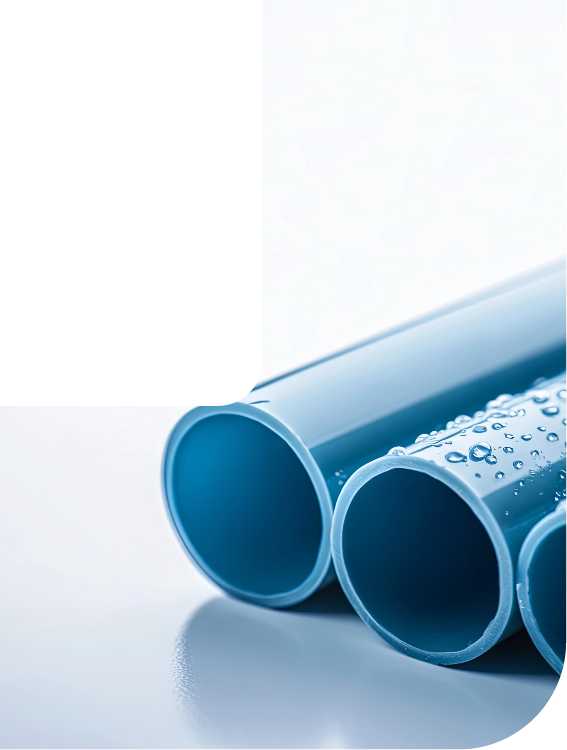
Skipper Limited is a national powerhouse in the Polymer Pipe business.

3A, Loudon Street, Kolkata- 700017, India