

11-Aug-2026 Admin
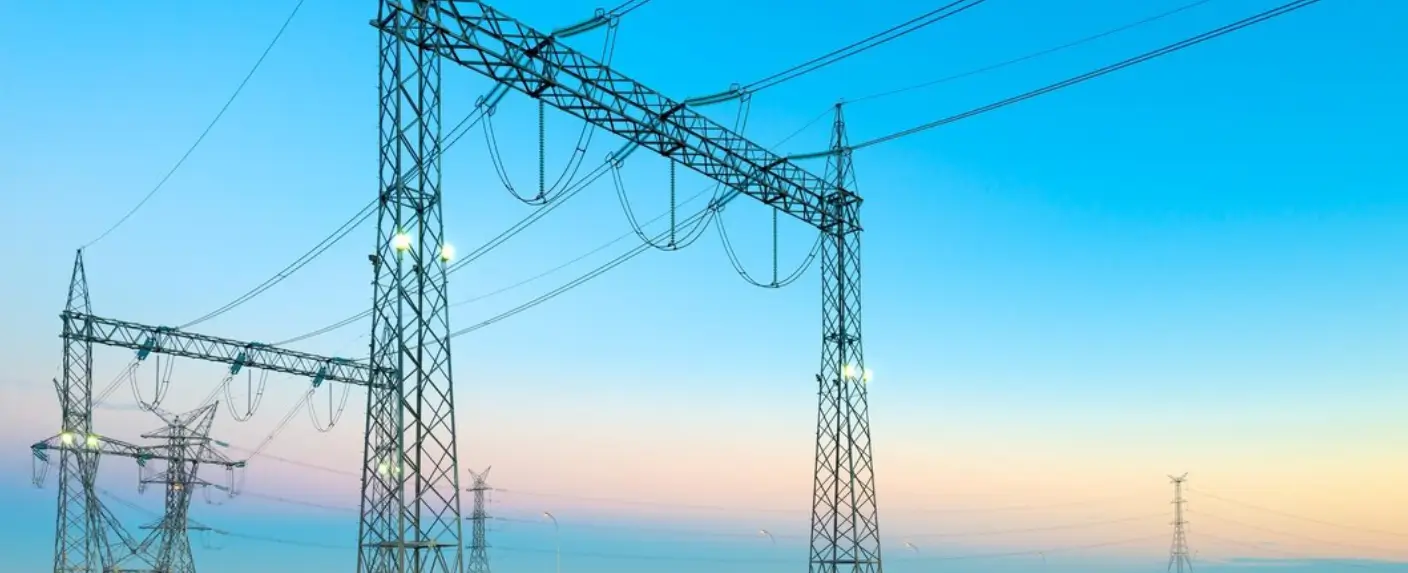
In an increasingly interconnected world, the reliable and efficient transmission and distribution (T&D) of electricity play a crucial role in powering our societies and enabling economic growth. The global energy landscape is undergoing a significant transformation, driven by the need to address climate change, promote renewable energy sources, and improve energy access. In this blog, we will explore the current state and outlook of global T&D systems, highlighting key trends, challenges, and opportunities in shaping a sustainable energy future.
The global electric power generation, transmission, and distribution market grew from $4,478.61 billion in 2022 to $4,796.70 billion in 2023 at a compound annual growth rate (CAGR) of 7.1%.* Although, the Russia-Ukraine war disrupted the chances of global economic recovery from the COVID-19 pandemic, at least in the short term, the global transmission and distribution market is poised for growth in the forecast period 2023-2032, fuelled by a persistent increase in electricity demand worldwide.
Additionally, the need for enhancing transmission efficiency and ensuring energy security in the face of aging infrastructure further drives the market's expansion. Furthermore, advancements in transmission grid technology play a significant role in propelling the global transmission and distribution market forward.
The global energy mix is undergoing a substantial shift towards cleaner and more sustainable sources. Renewable energy, such as solar and wind, is gaining significant traction, necessitating upgrades and expansions in T&D infrastructure.
The intermittent nature of renewables poses challenges in integrating them into existing grids, requiring enhanced flexibility and grid management solutions. Smart grids, advanced energy storage technologies, and demand-response systems are key enablers in ensuring a seamless integration of renewables into T&D networks.

The transmission and distribution sector is undergoing continuous evolution as it embraces modernization efforts to create a smarter and more resilient grid. This transformation involves the integration of cutting-edge technologies, equipment, and controls that collaborate to enhance the reliability and efficiency of electricity delivery. By implementing these advancements, power outages can be reduced in frequency and duration, storm impacts minimized, and service restoration expedited.
The adoption of advanced metering, monitoring, and diagnostic systems, along with other smart grid infrastructure, allows regions to embrace the benefits of a modern grid in terms of economic gains and enhanced reliability. In Europe, for instance, plans are underway to replace approximately 140,000 miles of transmission lines, with the European Commission committing to an annual investment of €50 billion for grid modifications.
Countries worldwide are focusing on grid modernization efforts, particularly in the deployment of high-voltage transmission systems, to align with their low-carbon goals. High-voltage transmission is crucial for long-distance power transmission, especially when renewable power plants are located far from demand centres.
Grid modernization initiatives bring improvements to grid reliability, resiliency, and system efficiency while meeting customer service expectations. Consequently, transmission and distribution companies are making substantial investments in grid modernization projects. According to a study conducted by the International Society for Performance Improvement (ISPI), global investments in grid technologies, data intelligence, and digital services have been increasing, with notable growth areas including smart meters, electric vehicle (EV) charging stations, and digital substations. This surge in investment in the modernization of aging power grids is expected to drive the global transmission and distribution market.

The electrification of transportation, including electric vehicles (EVs), is gaining momentum globally. This shift places additional demands on T&D infrastructure, necessitating investments in charging infrastructure and grid capacity. As urban populations grow, the need for resilient and efficient T&D systems becomes even more critical. Intelligent urban planning, with a focus on integrated energy systems, can ensure optimal infrastructure development, promoting sustainable transportation and supporting the electrification of buildings.
The growth of the global transmission and distribution market is primarily fuelled by the processes of urbanization and industrial expansion worldwide, leading to a surge in electricity demand. Emerging economies in the power transmission and distribution equipment segment are anticipated to drive the market's expansion, while the United States and European nations are expected to remain significant contributors due to their substantial power requirements. The global demand for electricity is projected to rise during the forecast period, driving the rapid expansion of the global transmission and distribution market.
Investments in grid technologies and smart meters are on the rise, further propelling the market's growth. Developing regions and countries are poised to experience robust growth in the electric power transmission industry as governments focus on upgrading and expanding their transmission and distribution infrastructure. As economies continue to heavily invest in electricity generation, transmission, and distribution networks, this market is expected to witness sustained growth.
The heightened occurrence and severity of extreme weather phenomena resulting from climate change present hazards to transmission and distribution (T&D) infrastructure. It is crucial to develop resilience and adaptation strategies to uphold a dependable energy provision. This entails fortifying infrastructure against natural disasters, deploying smart grid technologies for swift response and recuperation, and diversifying energy sources to decrease susceptibility. Establishing a resilient T&D system is essential for guaranteeing uninterrupted power distribution, safeguarding critical infrastructure, and safeguarding communities in the face of adverse events.
The worldwide perspective on transmission and distribution is experiencing a significant change due to the urgent requirement to construct a sustainable energy future. As the planet transitions towards cleaner sources of energy, it is vital to integrate renewables, modernize grids, and utilize digitalization to ensure efficient and dependable transmission and distribution systems. The electrification of transportation and urban development accentuates the importance of resilient infrastructure. Additionally, addressing the challenges of providing energy access in developing regions and adapting to climate change is crucial. By embracing innovation, collaboration, and policy support, the global transmission and distribution sector can lead the way towards a more environmentally friendly, accessible, and sustainable energy landscape.


One of the world's largest integrated Transmission Tower manufacturing companies

The company is also engaged in EPC Projects in Power Transmission & Distribution, Telecom infra and Railway Structures
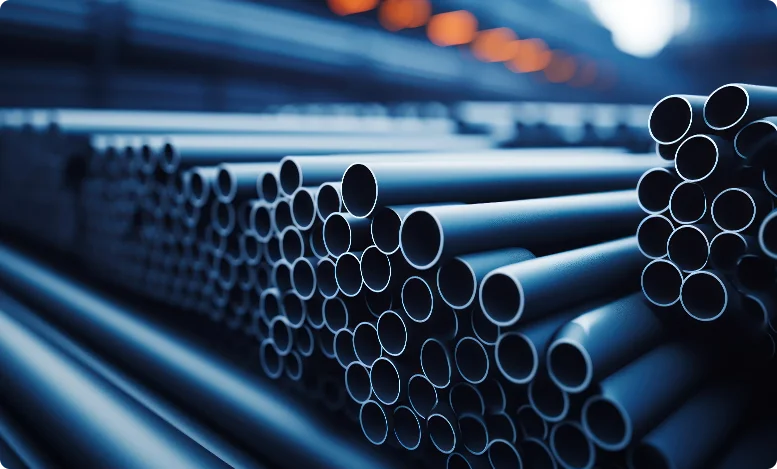
Skipper Limited is a national powerhouse in the Polymer Pipe business.


3A, Loudon Street, Kolkata- 700017, India