

11-Aug-2026 Admin
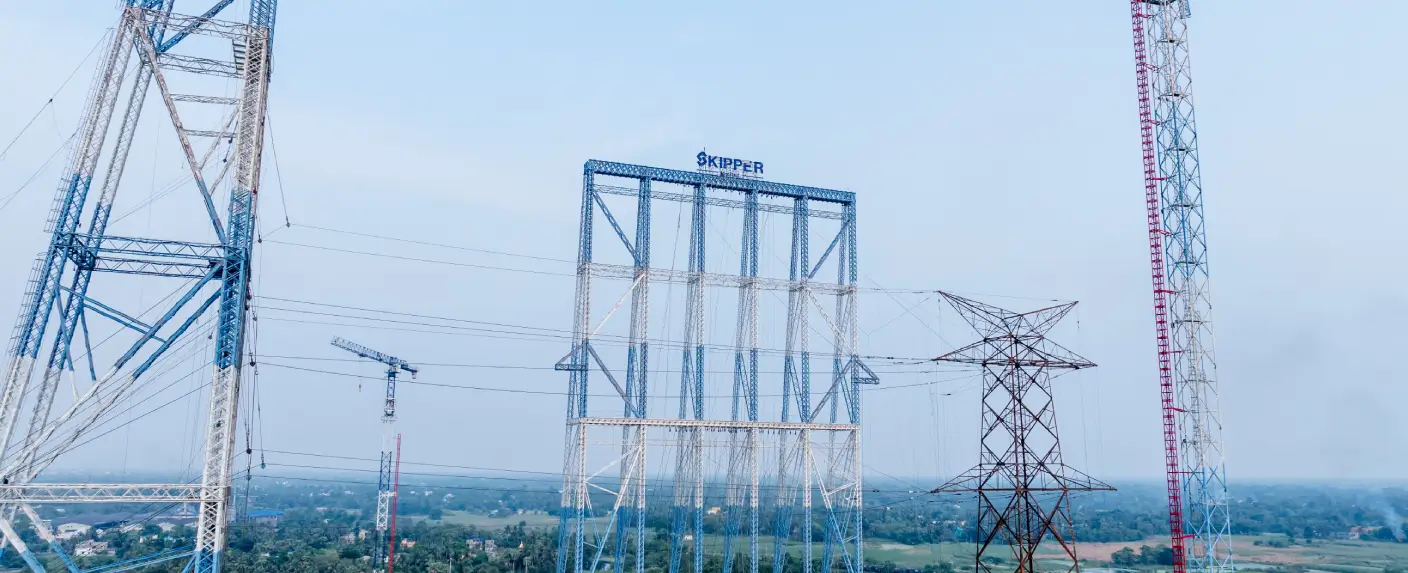
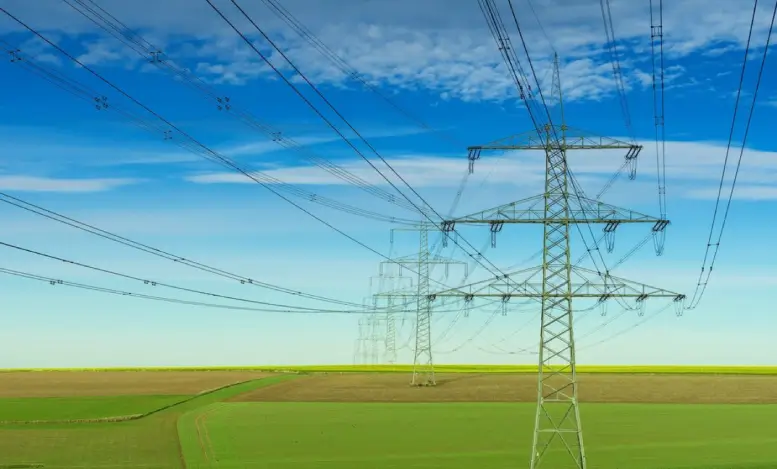
Energy transmission towers are critical components of the power grid, enabling the efficient and reliable transfer of electricity across long distances. To ensure their structural integrity, safety, and optimal performance, energy transmission tower testing stations play a crucial role. This is where Skipper comes into play. With a global presence in over 50+ countries and tie ups with more than 150 EPC contractors globally, Skipper Limited is a preferred partner to major Utilities & EPC majors from around the globe for supplying & testing of transmission towers & poles.
At Skipper Limited, transmission towers are viewed not just as a product, but as a service. From Designing & Engineering excellence for customised, innovative and optimized solutions, prototyping and tower load testing to the erection and stringing of a customised tower, Skipper is present along the entire value chain. Skipper’s Dedicated R&D Centre is recognised by the Department of Scientific & Industrial Research, Govt. of India.
The research facility also holds one of India’s largest NABL Accredited Test bed for Material Testing and Full Scale Load Testing. Skipper’s tower testing bed not only functions as a supporting facility rather it strives to add value to the products they manufacture. Here, we will explore how testing stations add value to transmission towers and contribute to maintaining a robust and resilient power transmission infrastructure.
Transmission tower testing stations are equipped with advanced technologies and methodologies to evaluate the structural integrity of transmission towers. Through rigorous testing procedures, including load testing, strain gauging, and visual inspections, the facility assess the towers' capacity to withstand environmental factors such as wind, ice, and seismic activities. By identifying any structural weaknesses or defects, testing stations enable timely repairs and maintenance, ensuring the towers can safely support the weight of transmission lines and withstand extreme weather conditions.


The safety of personnel working on or near energy transmission towers is paramount. Testing stations play a critical role in assessing the towers' safety aspects, including electrical systems, grounding, and insulation. They conduct tests to identify any electrical malfunctions, loose connections, or equipment failures that could pose risks to workers or lead to power outages. By promptly detecting and rectifying such issues, testing stations contribute to a safe working environment and minimize the potential for accidents or electrical hazards.
Energy transmission tower testing stations help optimize the performance of transmission towers and the overall power grid. By conducting power quality analysis and measuring electrical parameters, such as insulation resistance and grounding effectiveness, these stations ensure that the towers operate within specified tolerances. This optimization results in improved transmission efficiency, reduced power losses, and enhanced grid stability, ultimately leading to a more reliable and cost-effective power supply for consumers.
Transmission tower testing stations assist tower operators in meeting regulatory standards and compliance requirements. These stations perform tests and inspections in accordance with industry regulations and guidelines, such as those set by regulatory bodies and international organizations. By adhering to these standards, transmission towers can demonstrate their compliance with safety and performance regulations, instilling confidence in stakeholders and ensuring the reliability of the power grid.
Regular testing and inspections conducted by energy transmission tower testing stations help identify potential issues and implement preventive maintenance measures. By detecting early signs of corrosion, degradation, or wear and tear, testing stations enable tower operators to take proactive steps to address these issues. This proactive maintenance approach extends the lifespan of transmission towers, reducing the need for costly repairs or premature replacements. Consequently, the power industry benefits from improved operational efficiency, reduced downtime, and optimized investment in infrastructure.
Energy transmission tower testing stations play a pivotal role in adding value to transmission towers by ensuring their structural integrity, enhancing safety, optimizing performance, and ensuring compliance with regulatory standards. Through their comprehensive testing procedures, these stations contribute to a more reliable, resilient, and efficient power transmission infrastructure. By investing in testing and maintenance, power utilities can extend the lifespan of transmission towers, minimize power outages, and ensure a seamless and uninterrupted supply of electricity to consumers. Thus, energy transmission tower testing stations are essential components of the power sector, adding value and safeguarding the integrity of the power grid.
The Skipper Limited Tower Testing Station stands as a testament to the company's commitment to quality and reliability in the field of transmission towers. With its advanced infrastructure, comprehensive testing procedures, and compliance with international standards, the station plays a vital role in ensuring the structural integrity and electrical performance of transmission towers. By providing accurate and detailed assessments, Skipper Limited empowers the power sector to deliver efficient and uninterrupted electricity transmission, bolstering the overall reliability of the global power grid.


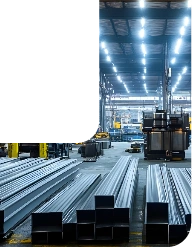
One of the world's largest integrated Transmission Tower manufacturing companies

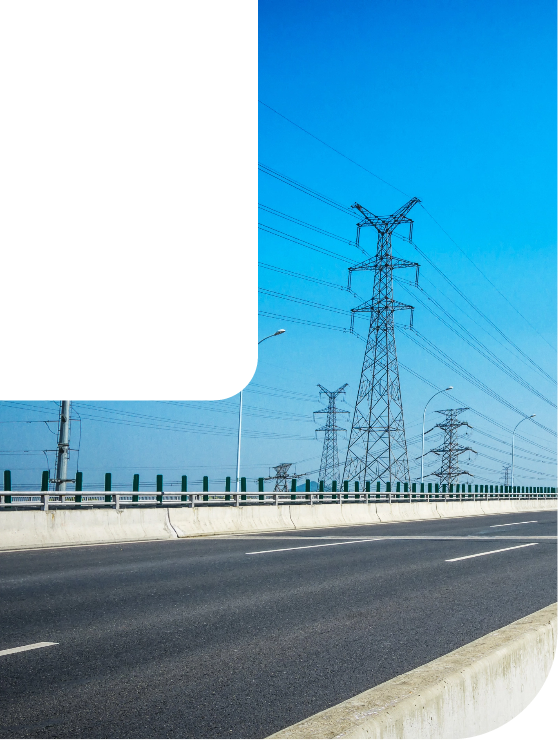
The company is also engaged in EPC Projects in Power Transmission & Distribution, Telecom infra and Railway Structures
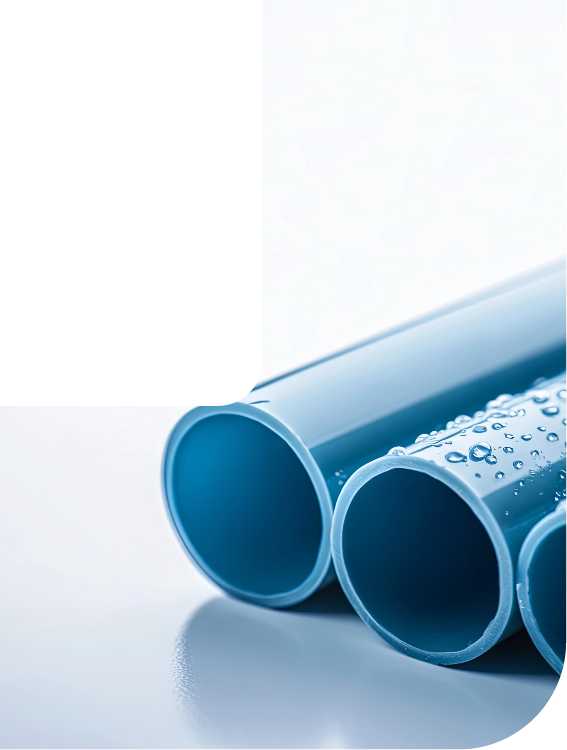
Skipper Limited is a national powerhouse in the Polymer Pipe business.

3A, Loudon Street, Kolkata- 700017, India