

07-Sep-2026 Admin

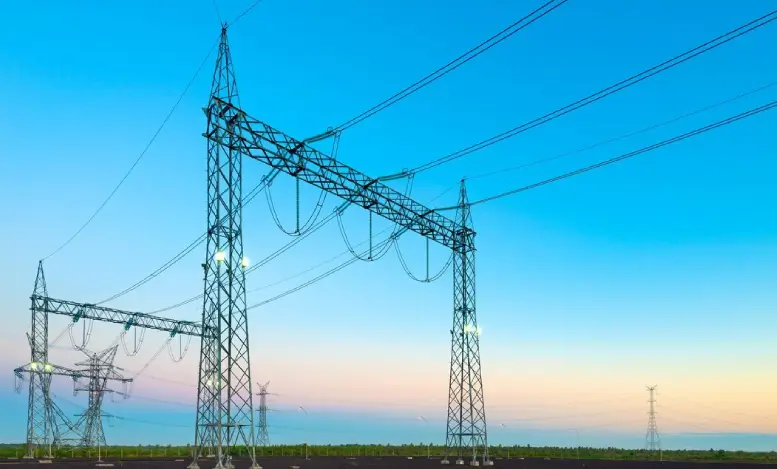
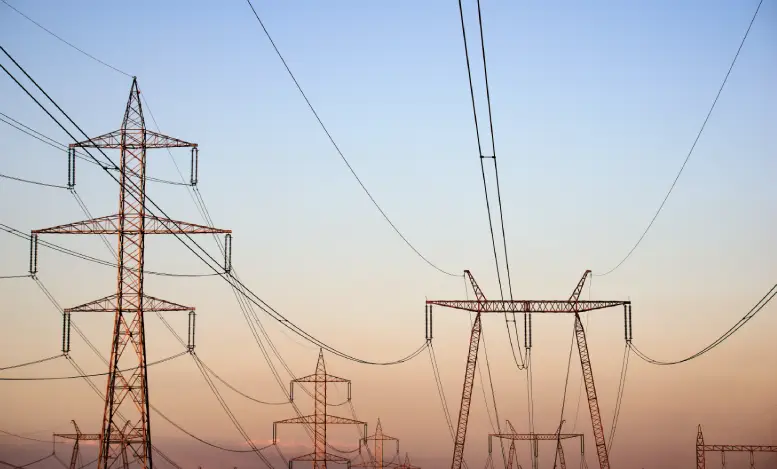
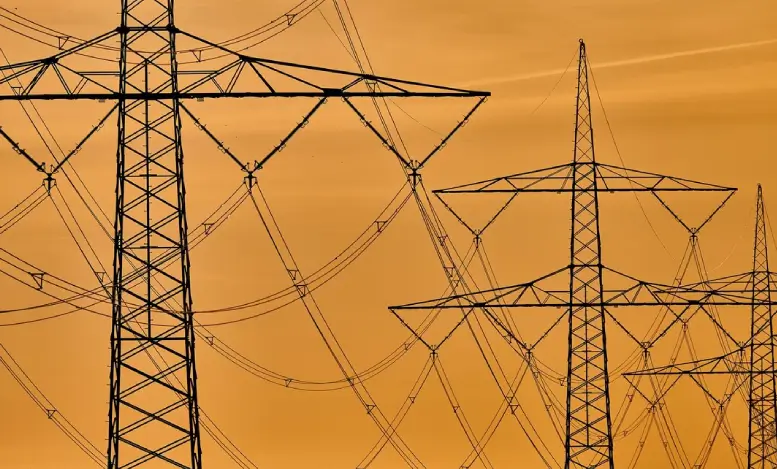
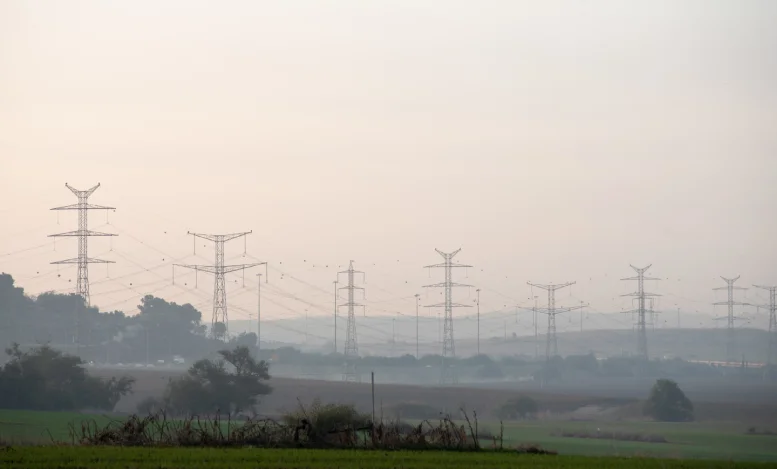
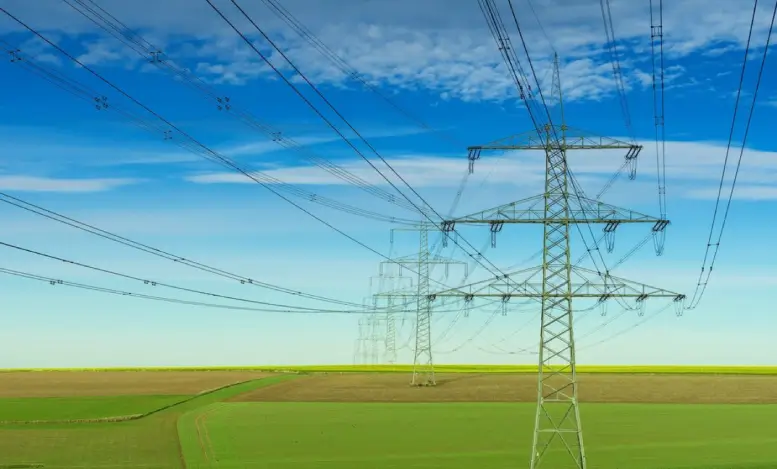
Electricity infrastructure faces a straightforward dilemma. We need to transmit more electricity, but often have less space to build the infrastructure needed to do so. The amount of renewable energy generated away from the major centres of consumption is growing. It is getting tougher to get transmission corridors in growing cities.
New lines often have to weave their way around highways, railroads, metro systems and existing utilities, rather than following a clean expanse of land. The stress is compounded by telecom growth, especially in built-up areas where every new construction has to fit into an already crowded environment.
Steel monopoles can thus offer a practical alternative to the standard lattice tower. Due to their relatively small footprint, they are well suited to places where limits on space and specific installation requirements make things tougher. The requirement is even starker when one considers the scope of India’s energy revolution. The Ministry of Power forecasts that by 2030 transmission infrastructure will need to handle more than 500 GW of renewable-energy capacity.
A steel monopole is an engineered single-pole aiming to support overhead conductors, cables, or communication equipment. Its most obvious distinction from a typical lattice tower is its small footprint, making it a suitable choice in space- or right-of-way restricted situations.
The structure is not a one-size-fits-all product. Its height, voltage, loading, arrangement of conductors, and resistance to wind are determined by the engineers in accordance with the conditions at the planned site. The final design is also influenced by the soil and foundation constraints.
For this reason, the decision to select a monopole is more than a physical size comparison to a lattice tower, and engineers have to evaluate structural loads, environmental variables, site constraints, and project economics in concert.
Skipper’s monopoles are designed utilizing PLS-POLE, in addition to standards such as IS 802, IS 5613, IEC 60826, ASCE 48-05 and EIA/TIA 222G.
|
Infrastructure sector |
Typical monopole application |
Why monopoles can be relevant |
|
Power transmission |
132–765 kV transmission lines |
Compact footprint and engineered configurations |
|
Power distribution |
Distribution networks |
Space-efficient structures |
|
Urban corridors |
Dense/ROW-constrained routes |
Reduced ground footprint |
|
Telecom |
Antenna/equipment support |
Suitable for constrained locations |
|
Rail/Metro |
Utility and power infrastructure |
Integration within transport corridors |
|
Renewable energy |
Power evacuation/distribution |
Supports expanding renewable-energy networks |
Steel monopoles are most often used for power transmission, especially when a new line needs to be fitted into a corridor where space is already limited. Monopoles can be utilized in a variety of applications from 33 kV distribution networks up to 132 kV, 220 kV, 400 kV and even 765 kV transmission systems depending on the design and site requirements.
Their smaller footprint could make them helpful where conventional lattice towers are difficult to fit. For example, Skipper makes monopoles from 33kV up to 765kV and has designed, built and type-tested a 765kV monopole. Its portfolio also includes 400 kV double-circuit monopoles for right-of-way-constrained areas near Mumbai, which is a practical illustration of where it can make sense.
Infrastructure generally doesn’t have the luxury of a clear, unoccupied expanse of land. Transmission paths sometimes need to go around highways, buildings, railways, metro lines, and other utilities, which makes it more difficult to accommodate a huge tower footprint. In certain environments, steel monopoles can be a more compact alternative with fewer structural components and less impediment at ground level.
Skipper's own technical material points to their modest size, fewer foundation needs, and suitability for urban installations. Its project portfolio includes 220 kV and 400 kV double-circuit monopoles utilized for utility shifting along Maharashtra’s Samruddhi Expressway, which provides a practical illustration of how monopoles can integrate into complicated infrastructure corridors.
India’s communication network is expanding rapidly, and this is creating a demand for structures that can house equipment without taking up additional ground space. Steel monopoles are a great solution for urban and semi-urban sites where a larger lattice structure may not be feasible to install, as they are capable of mounting antennas and wireless communication equipment. This is a massive necessity.
The Department of Telecommunications had reported 840,167 mobile towers as of September 2025, and 5G installations had crossed 5.18 lakh BTS by early 2026, covering 776 of India’s 777 districts. The denser the network, the more important compact structural solutions are.
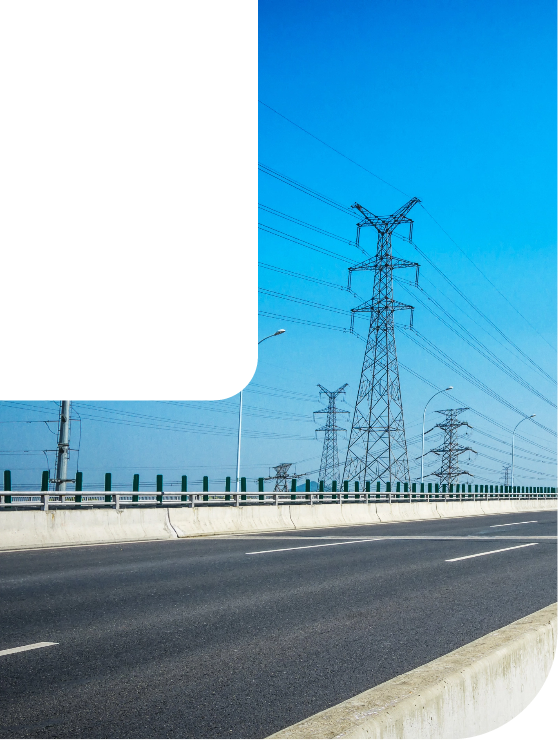
Railroads, metro lines and highways sometimes travel through already busy corridors, leaving little room for new utility structures. In those places, steel monopoles can provide a practical way to accommodate power and other utility infrastructure without the broader footprint of a traditional lattice tower.
Skipper’s project portfolio includes monopoles for Pune Metro network (220kV and 132kV) and monopoles used for utility shifting along Samruddhi Expressway of Maharashtra. These examples show how monopoles can be employed when requirements for transport infrastructure and utilities need to be incorporated into the same corridor.
The rise of renewable energy produces a less evident need as well: infrastructure to transfer generated power to where it is needed. Solar and wind installations need transmission lines, substations and evacuation networks.
The Ministry of Power predicts that an extra 290.6 GW of renewable power and associated transmission infrastructure will need to be integrated by 2030 against the baseline of December 2024.
Skipper’s portfolio also includes 33 kV monopoles that replaced the standard RSJ poles for an Adani Renewable Energy project in Khavda, Gujarat, showcasing their use in renewable energy infrastructure.
|
Requirement |
How steel monopoles can help |
|
Limited land availability |
Compact structural footprint |
|
Constrained right-of-way |
Can be engineered for specific corridor conditions |
|
Urban installations |
Lower structural bulk than conventional lattice structures in suitable applications |
|
Faster assembly |
Fewer individual structural components |
|
Network upgrades |
Can be designed for specific voltage/loading requirements |
|
Durability |
Galvanized steel can provide corrosion protection |
|
Custom applications |
Height, loading, and configuration can be engineered to project requirements |
Choosing a steel monopole is more than picking a structure that satisfies the voltage need. The site circumstances might have a major impact on the design. Thus, engineers need to assess the conductor configuration, wind and climate loads, design standards to be used, soil conditions, and foundations before making a decision.
Also important is the available right-of-way, especially where the monopole has to fit around existing roads, buildings or utilities. Correct testing and corrosion protection also influence the behaviour of the structure over time, whereas transport and erection requirements affect the practical installation. Together, these variables assist utilities in selecting a monopole that will not only meet the spec, but the real-world demands of the project.
A steel monopole may seem a somewhat simple construction, but its performance depends on everything that goes into it, from initial engineering and design to production, galvanizing, testing, and finally installation at the project site. This means the correct partner choice becomes a critical aspect of the process.
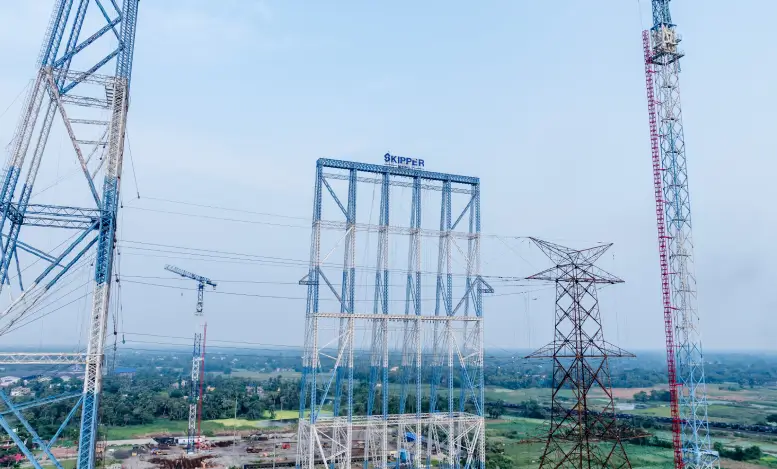
Skipper brings all these capabilities together under one roof with decades of experience in engineering and infrastructure. Its monopole range is from 33 kV to 765 kV with in-house engineering, manufacturing, galvanizing and testing facilities.
The company’s project experience also includes limited transmission corridors, urban infrastructure and renewable-energy applications in places such as Mumbai, Maharashtra, Ahmedabad, Pune and Khavda.
Skipper provides utilities and infrastructure developers with more than a manufactured structure; it provides an engineering monopole solution with the necessities of the project in mind.


One of the world's largest integrated Transmission Tower manufacturing companies

The company is also engaged in EPC Projects in Power Transmission & Distribution, Telecom infra and Railway Structures
Skipper Limited is a national powerhouse in the Polymer Pipe business.


3A, Loudon Street, Kolkata- 700017, India