

03-Nov-2026 Admin
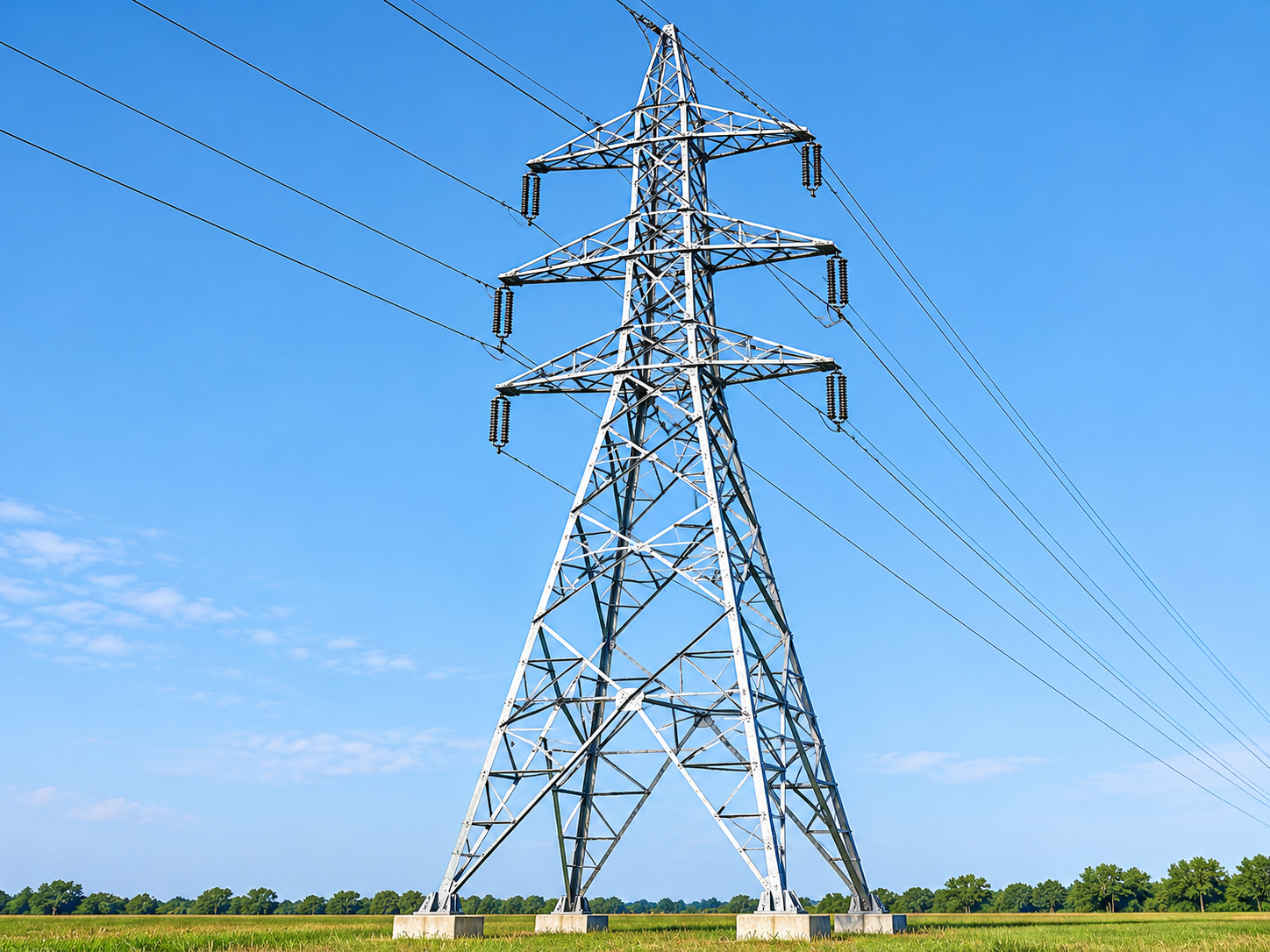
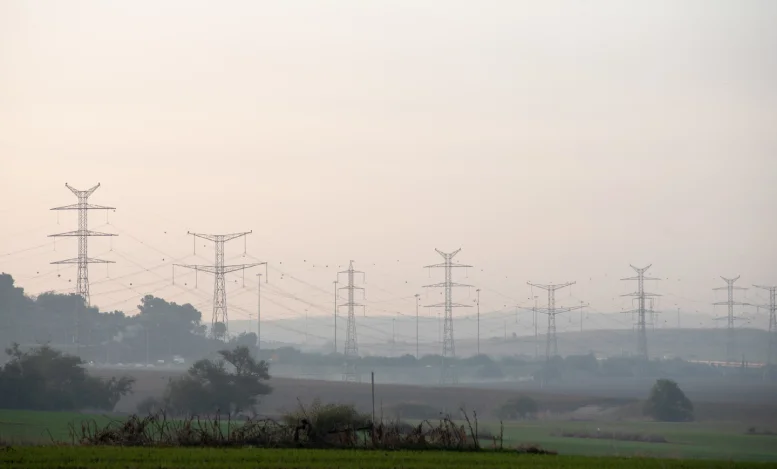
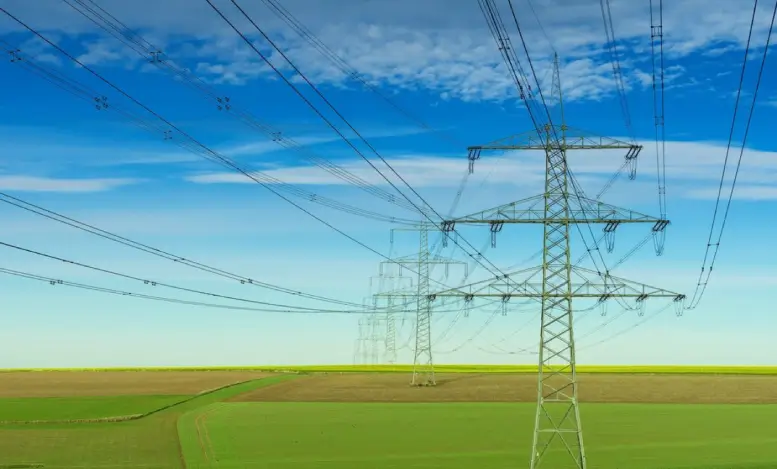
A lattice tower is the structure most people picture when they think of a high-voltage power line. It is a tall steel frame that holds conductors high above the ground so electricity can travel long distances safely. This guide explains what a lattice tower is, the main types, where each is used, and what goes into designing, making and testing one. It is based on the experience of Skipper Limited, which has operated for 45+ years and has supplied over 2 million metric tons of towers worldwide.
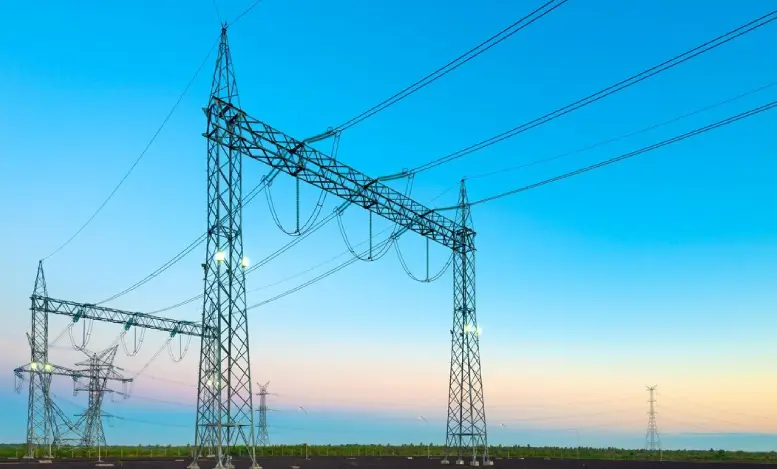
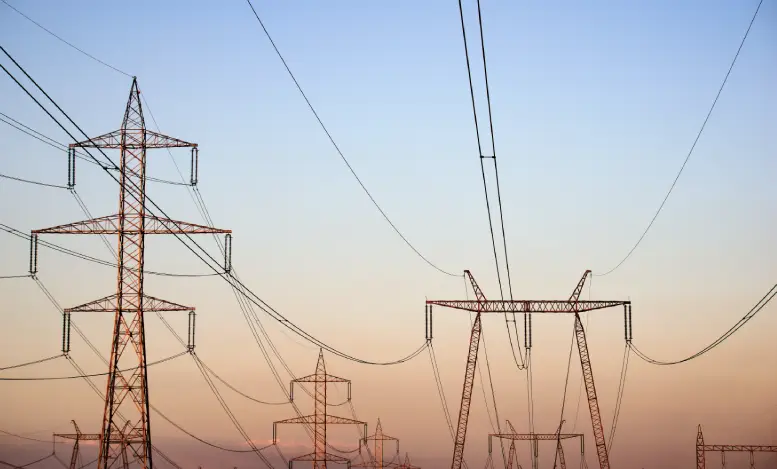
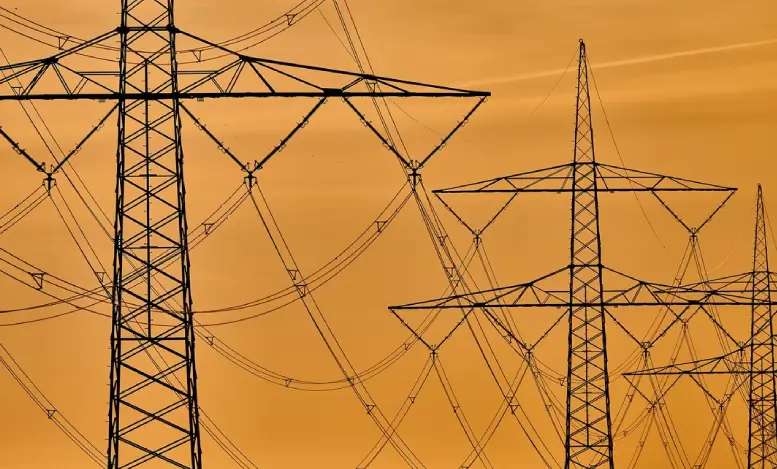
A lattice tower is a structure built from steel members arranged in a framework, with open spaces between them. The members are joined with bolts and fasteners to form the tower body, the cross arms that carry the conductors, and the legs that connect to the foundation. The open framework gives strength while keeping the structure's weight lower than a solid tower of the same height.
Lattice towers carry power lines at transmission voltages. Skipper's towers cover voltage classes from 132 kV through 220 kV, 330 kV, 400 kV and 500 kV up to 765 kV.
Skipper's portfolio includes lattice towers in several forms. The right choice depends on the terrain, the land available, the line voltage and the cost of building and maintaining the line.
Design comes first. A tower has to carry the weight of the conductors, resist wind and other loads, and meet the requirements of the utility that will use it. Skipper handles tower design in-house, and offers tower design services as part of an end-to-end offering that covers design, manufacturing, testing, logistics and on-site fitment.
Good design also saves money. Skipper's optimised designs aim to reduce project costs and avoid the need for rectification on site.
Skipper's manufacturing is backward-integrated, so the main steps happen under one roof:
To learn more about the coating, see our guide to hot dip galvanizing. For fasteners, see Demystifying Fasteners.
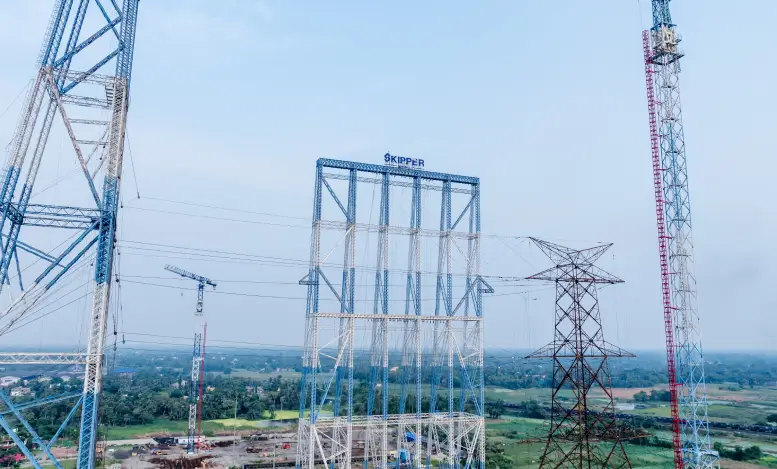
Before a tower design goes into a line, it is built as a prototype and loaded to check that it performs as designed. Skipper's tower test station has two fully independent test beds at one location, which can test towers up to 1200 kV and up to 120 m in height. It tests self-supported lattice towers, guyed lattice towers, monopoles, composite insulated cross arms and substation structures. The test station is accredited to ISO/IEC 17025:2017.
Customers can watch two tests in a single visit, and the station runs round the clock throughout the year.
|
Client |
Voltage / type |
Height |
Weight |
|
Saudi Electricity Company |
500 kV 'A' test tower |
98.505 m |
115 t |
|
MCA Nepal |
QD M/C proto tower |
76 m |
172 t |
|
Power Grid Corporation of India |
765 kV DD60 (spl) + 55 proto tower |
125 m |
234 t |
|
NGCP (Philippines) |
500 kV DT4ten5-Z1-500 test tower |
105 m |
90 t |
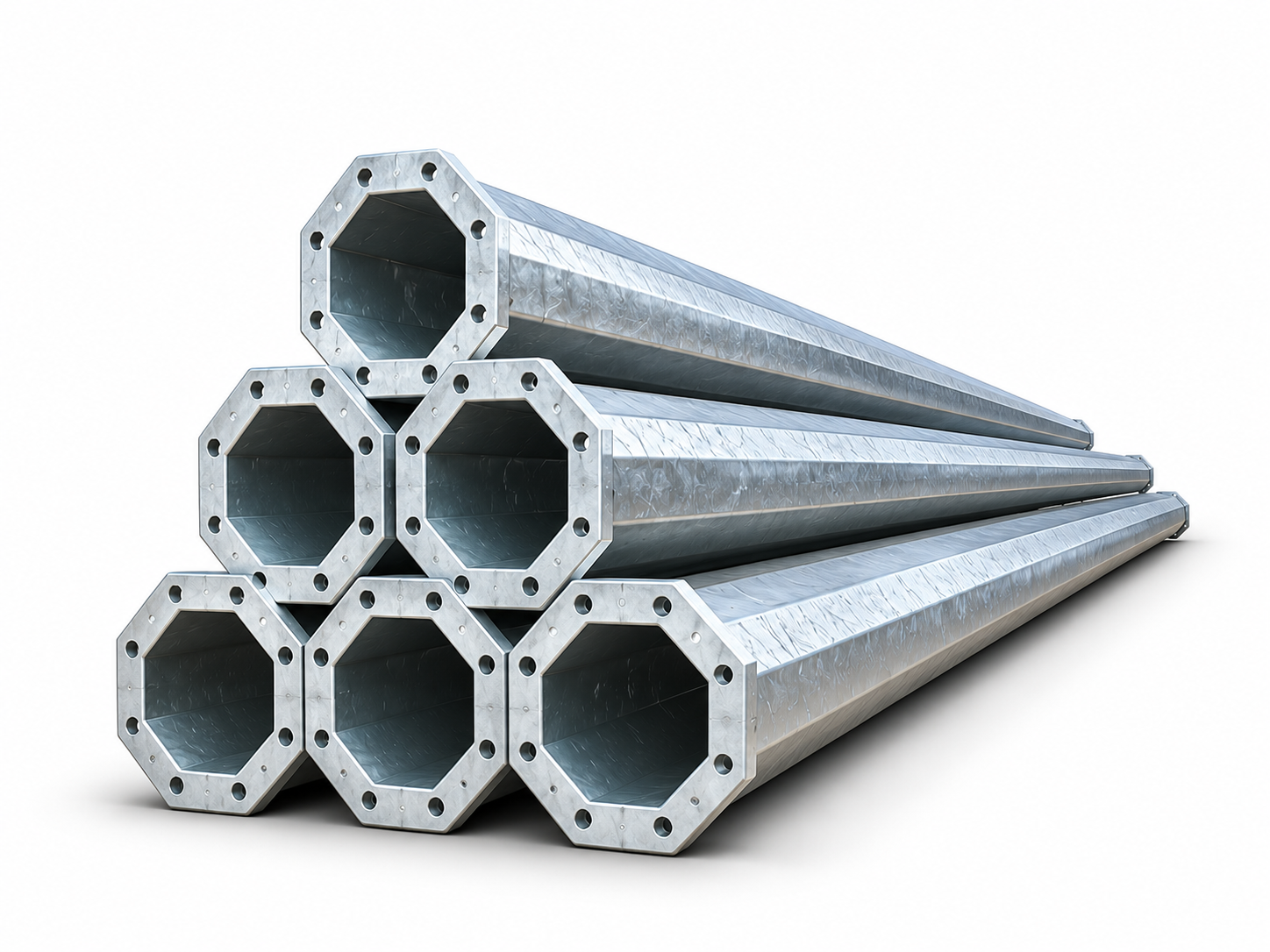
Lattice towers are not the only choice. Where space is limited, such as urban corridors, utility diversions and right-of-way-constrained areas, tubular steel monopoles can be a space-efficient alternative. Skipper makes both. Read more in Why Monopole Towers are Becoming Essential for Modern Transmission Lines.
Skipper Limited is a global transmission and distribution infrastructure and engineering solutions provider, with engineering production capacity of 375K MTPA and customers in 65+ countries. Registered office: 3A, Loudon Street, Kolkata-700017, India. To discuss a lattice tower requirement, contact our team through the Contact Us page.
A lattice tower is a steel framework structure that holds power line conductors above the ground. Its open design gives strength with less weight.
Self-supported lattice towers, guyed lattice towers and V-guyed towers.
Skipper's towers cover 132 kV, 220 kV, 330 kV, 400 kV, 500 kV and 765 kV.
Hot-dip galvanizing protects the steel from corrosion and helps the tower last in outdoor conditions.
Prototype towers are load tested at full scale. Skipper's test station can test towers up to 1200 kV and 120 m height.


One of the world's largest integrated Transmission Tower manufacturing companies

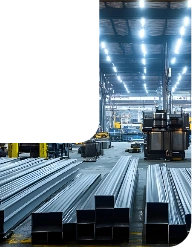
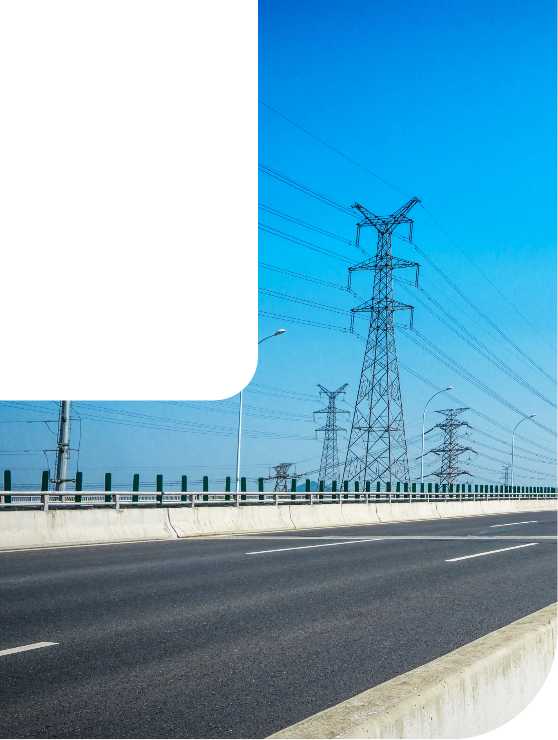
The company is also engaged in EPC Projects in Power Transmission & Distribution, Telecom infra and Railway Structures
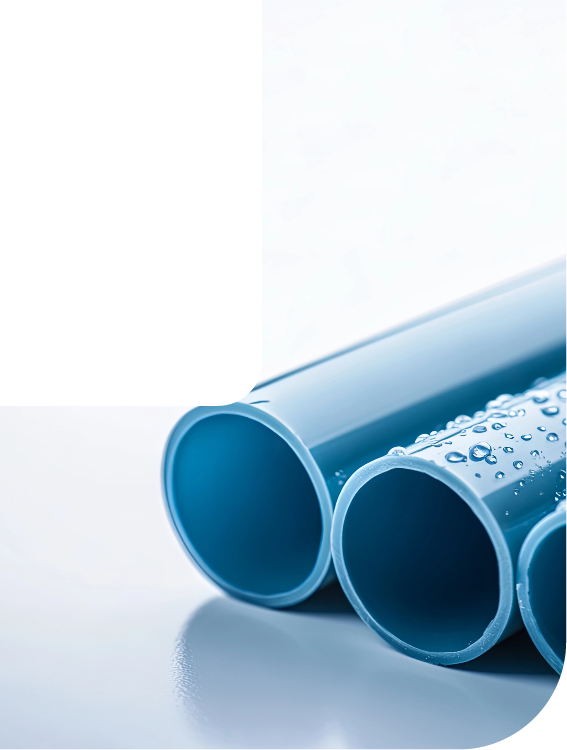
Skipper Limited is a national powerhouse in the Polymer Pipe business.

3A, Loudon Street, Kolkata- 700017, India