

22-Jul-2026 Admin
A Substation EPC company plays a pivotal role in developing a future ready power grid by delivering reliable, flexible, and technologically advanced substation infrastructure that meets evolving grid demands. Through end to end execution, EPC organizations integrate advanced engineering, digital protection and control systems, automation, and SCADA solutions to support grid reliability, renewable energy integration, and real time monitoring. By adopting modern design practices, IEC compliant digital architectures, and sustainable construction methodologies, Substation EPC companies ensure scalability, cybersecurity, and long term operational efficiency. Their expertise in executing AIS, GIS, and hybrid substations enables utilities to modernize transmission networks, minimize outages, and enhance system resilience forming the backbone of a secure, intelligent, and future oriented power grid.
EPC companies deliver end to end substation solutions, converting detailed engineering designs into reliable power infrastructure. Through precision engineering, regulatory compliance, and expert execution, they ensure substations operate safely and seamlessly often without consumers ever noticing the complexity behind every switch of light.
EPC companies manage the entire power substation development lifecycle, from engineering and procurement to construction and commissioning, ensuring seamless integration of every component. They act as the central coordinators who transform complex technical drawings into fully operational, silent energy hubs that power modern life.
In substation projects, precision is critical. Every structure, system, and connection must comply with stringent grid codes, safety regulations, and utility standards often without interrupting the live power network. This demands not only sound engineering but also disciplined execution and strict process control.
Experienced EPC teams bring together deep technical expertise and practical on site execution. By applying approved methodologies, adhering to safety and quality standards, and managing multiple interfaces, they deliver substations that are reliable, compliant, and built for long term performance.
Although much of this work remains unseen, it plays a vital role in keeping electricity flowing smoothly. Behind every illuminated home and operating industry lies the coordinated effort of skilled EPC professionals ensuring the backbone of the power grid remains strong and dependable.
• Basic and detailed engineering of the substation
• Electrical layout, SLDs, GA drawings, control & relay schematics
• Civil/structural design (foundations, buildings, cable trenches)
• Protection, control, SCADA & communication design
• Engineering coordination with utility (e.g., PGCIL) and consultants
• Approval of drawings (GTP, foundation, layout, protection schemes)
• Statutory permissions (CEIG, forest, railway, local bodies if applicable)
• Compliance with technical standards and employer specifications
• Major equipment procurement: o Power transformers, reactors o Circuit breakers, isolators, CTs, PTs o Control & relay panels o Protection, SCADA & communication equipment
• Vendor inspection, FAT, dispatch coordination
• Logistics, insurance, storage & preservation
• Site grading, leveling, and drainage
• Foundations for equipment, gantries, and structures
• Control room, relay room, fire protection systems
• Cable trenches, roads, fencing, stormwater drains
• Erection of structures, gantries & equipment
• Transformer placement and oil filling
• Equipment alignment and mechanical completion
• Cable laying, termination, and marshalling
• Installation of control panels, SCADA hardware
• Pre commissioning and commissioning tests
• Protection relay testing and coordination
• Transformer testing (IR, tan delta, ratio, SFRA if required)
• SCADA integration and end to end testing
• Energization and trial operation
• Overall schedule, cost, and quality control
• Interface management (civil, electrical, utility, OEMs)
• Progress reporting to client/PMC
• Risk management and mitigation
• Quality assurance & quality control (QA/QC)
• Site safety implementation (HSE plans, toolbox talks)
• Compliance with statutory safety norms
• Environmental management at site
• As built drawings
• Test reports and commissioning certificates
• O&M manuals and spare parts details
• Final handover & taking over documentation
• Defect Liability Period (DLP) support
• Rectification of defects
• Performance guarantee compliance
• Support during initial operation phase
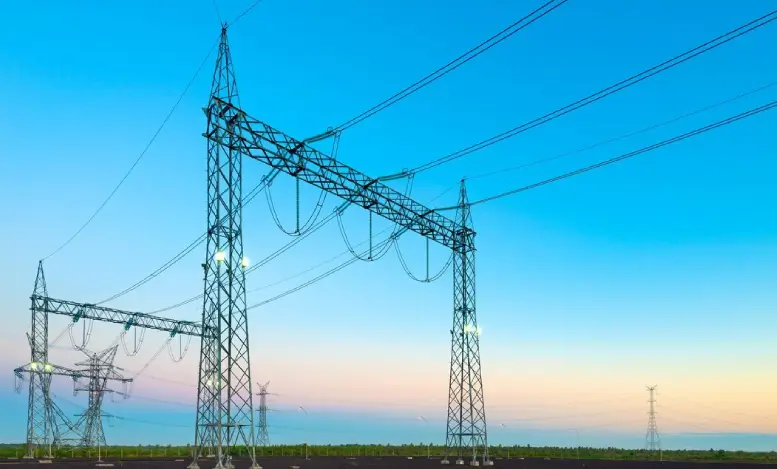
Substation structures form the backbone of electrical power systems, supporting reliable transmission and distribution of electricity across the grid. These structures include equipment foundations, gantries, support frames, control buildings, cable trenches, and grounding systems, all designed to withstand electrical, mechanical, and environmental stresses. Properly engineered substation structures ensure compliance with safety standards, grid codes, and utility regulations while enabling efficient installation and maintenance of high voltage equipment such as transformers, circuit breakers, and isolators. A well designed substation structure not only enhances operational reliability but also minimizes outages, improves safety, and extends the service life of critical power infrastructure.
High quality substation structures are essential for ensuring the safety, reliability, and long term performance of electrical power systems. Well designed and properly constructed substation foundations, gantries, control buildings, and support structures provide the necessary mechanical strength to withstand electrical loads, seismic forces, and extreme environmental conditions. Robust substation structures enhance equipment stability, ensure compliance with grid and safety standards, and reduce the risk of outages, failures, or costly maintenance. For utilities and EPC contractors, investing in durable, precision engineered substation structures directly contributes to uninterrupted power transmission, improved operational efficiency, and the development of a resilient and future ready power grid.
Substation EPC projects involve multiple challenges that demand careful planning, technical expertise, and disciplined execution. EPC contractors must manage complex engineering requirements while ensuring compliance with grid codes, safety regulations, and utility standards across AIS and GIS substations. Common challenges include coordination among multiple stakeholders, procurement delays of critical high voltage equipment, interface issues between civil and electrical works, and execution within live or restricted network conditions. Additional complexities such as land constraints, forest or statutory clearances, tight project timelines, and site safety management further increase project risk. Successful substation EPC delivery depends on proactive risk management, experienced project teams, robust quality control systems, and seamless coordination from engineering through commissioning to ensure reliable and timely power infrastructure development.
Modern trends in substation development focus on enhancing efficiency, reliability, and sustainability through advanced technologies and smart design practices. The increasing adoption of GIS (Gas Insulated Substations) and hybrid substations is helping optimize space utilization while improving safety and operational reliability, especially in urban and constrained locations. Digital substations using IEC 61850 based communication, intelligent electronic devices (IEDs), and real time monitoring systems are enabling faster fault detection, remote operation, and predictive maintenance. Additionally, integration of SCADA systems, automation, renewable energy interfaces, and eco friendly materials is supporting grid modernization and reduced environmental impact. These trends collectively enable utilities and EPC contractors to develop resilient, future ready substations that meet evolving grid demands and regulatory requirements.
● Proven experience in substation EPC projects
● Strong portfolio across voltage segments
● Advanced engineering and design expertise
● In-house manufacturing and fabrication capabilities
● Compliance with international quality standards
● Robust safety management and execution practices
● Timely project delivery across challenging terrains
● Efficient supply chain and logistics management
● Skilled workforce and project execution teams
● Global project exposure and export experience
● Strong client references and project credentials
● Reliable after-sales and maintenance support.
A well established Substation EPC company plays a critical role in strengthening modern power infrastructure by delivering reliable, compliant, and future ready substation solutions. With end to end capabilities covering engineering, procurement, construction, testing, and commissioning, EPC contractors ensure seamless execution of AIS, GIS, and hybrid substations across various voltage levels. By adopting advanced technologies, adhering to stringent safety and quality standards, and supporting grid modernization initiatives, Substation EPC companies enable utilities to achieve efficient power transmission, long term reliability, and sustainable growth. Choosing an experienced EPC partner is therefore essential for building a resilient and intelligent power grid that meets evolving energy demands.
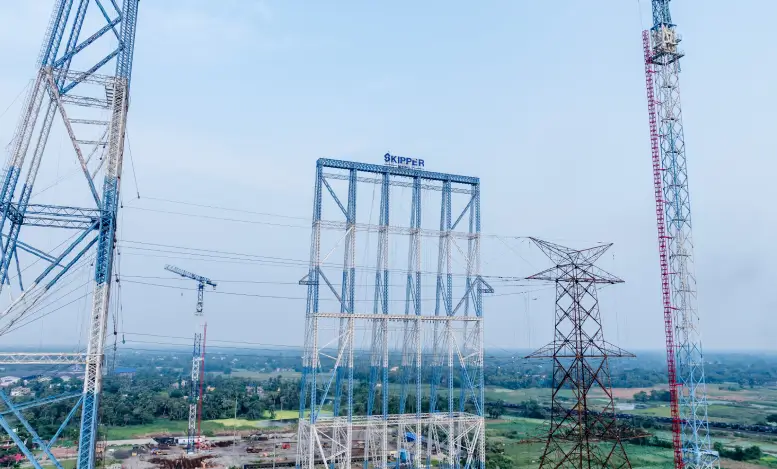
Skipper Limited has demonstrated well how integrated engineering, manufacturing, and project execution can deliver reliable substation solutions across the globe. They represent an industry transition towards durable, efficient, and future-ready power networks.
We are an experienced Engineering, Procurement, and Construction (EPC) organization specializing in the execution of high voltage and extra high voltage power substation projects. Our scope covers end to end project delivery, including detailed engineering, equipment procurement, civil construction, electrical erection, testing, and commissioning of AIS and GIS substations. With proven expertise across multiple voltage levels, we have successfully executed projects in compliance with applicable national and international standards, utility requirements, and stringent safety regulations. Our experienced technical teams, robust quality systems, and disciplined project management practices enable us to deliver reliable, compliant, and timely substation infrastructure that supports secure and uninterrupted power transmission.
Substation investments and professional EPC execution will define sustainable power growth in the future. When engineering precision meets strategic planning, the result is simple but powerful; steady electrical flow supporting daily living, business objectives, and development goals without interruption as global energy needs evolve.


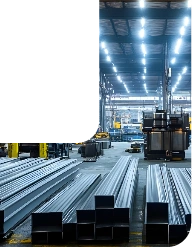
One of the world's largest integrated Transmission Tower manufacturing companies

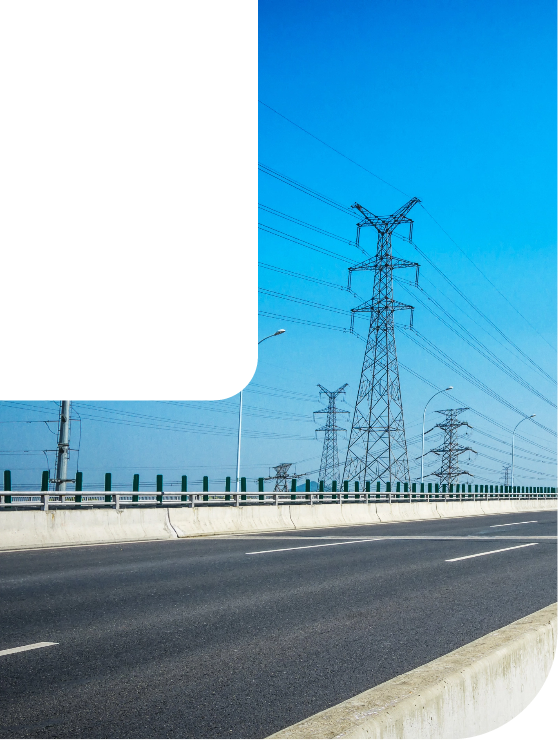
The company is also engaged in EPC Projects in Power Transmission & Distribution, Telecom infra and Railway Structures
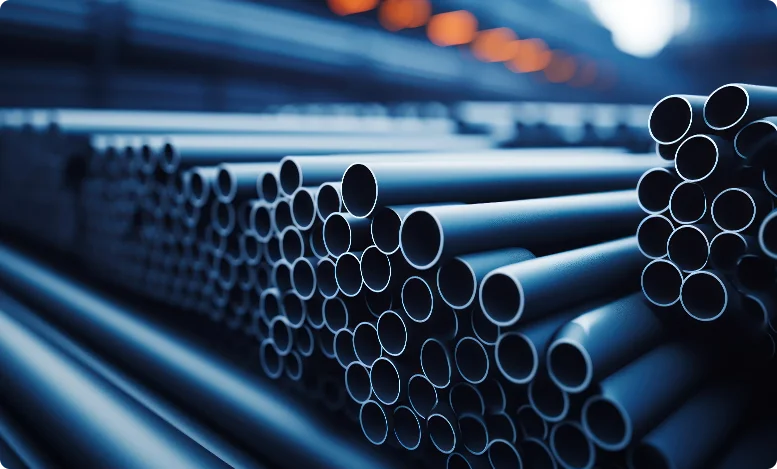
Skipper Limited is a national powerhouse in the Polymer Pipe business.

3A, Loudon Street, Kolkata- 700017, India