

22-Jul-2026 Admin
Power demand is on the rise steadily, and networks must handle increasing loads. You can sense the pressure on infrastructure during peak hours. Moreover, engineers must ensure the networks’ safety, strength, and precise performance. Even a small design flaw might result in serious operational risks. For instance, weak structures may fail under heavy environmental stress. In contrast, validated designs perform reliably across varied real conditions.
Therefore, teams rely on careful validation before full-scale production begins. Prototyping testing services help identify hidden issues at early stages. In addition, they allow engineers to refine and improve designs. Consequently, projects avoid costly failures and unexpected delays. Meanwhile, quality standards remain consistent across large infrastructure developments. Ultimately, strong testing practices support long-term reliability and operational confidence.
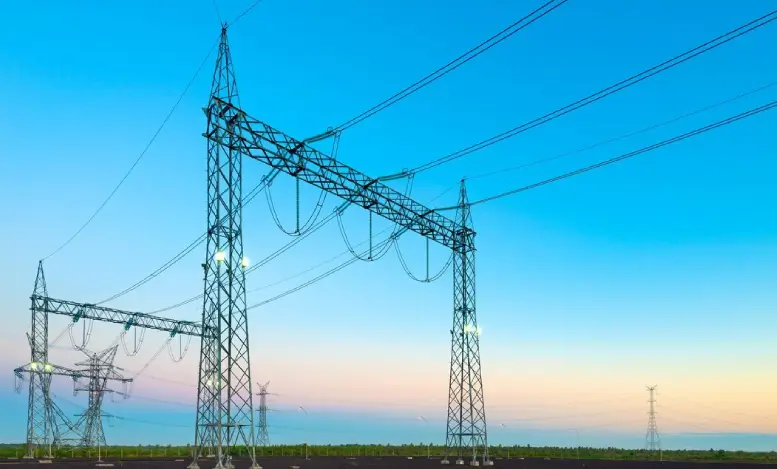
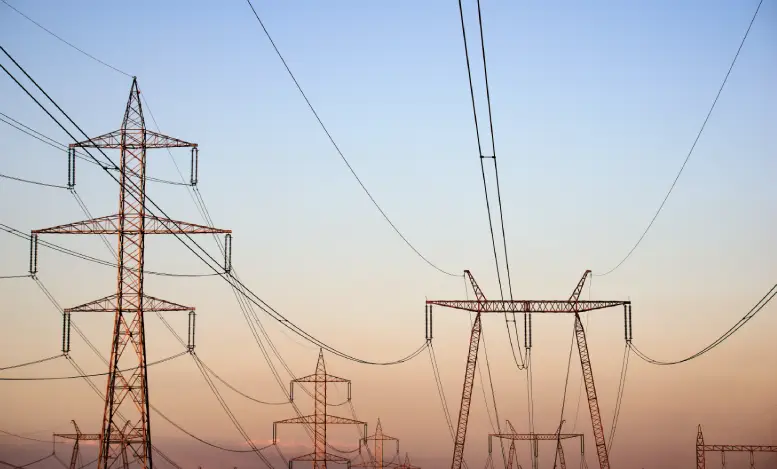
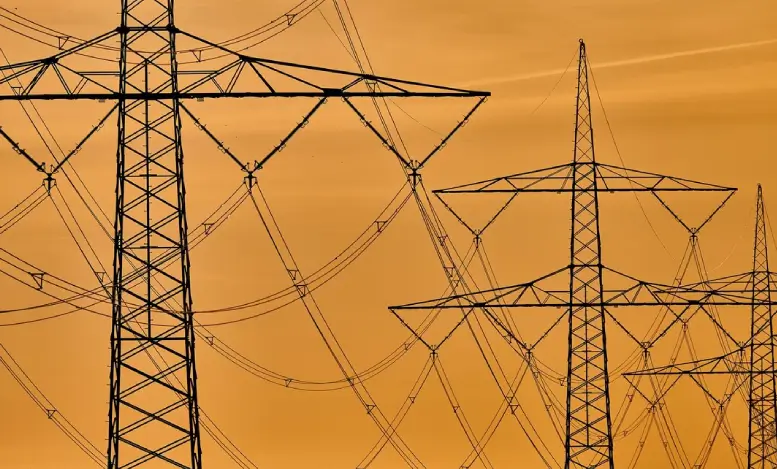
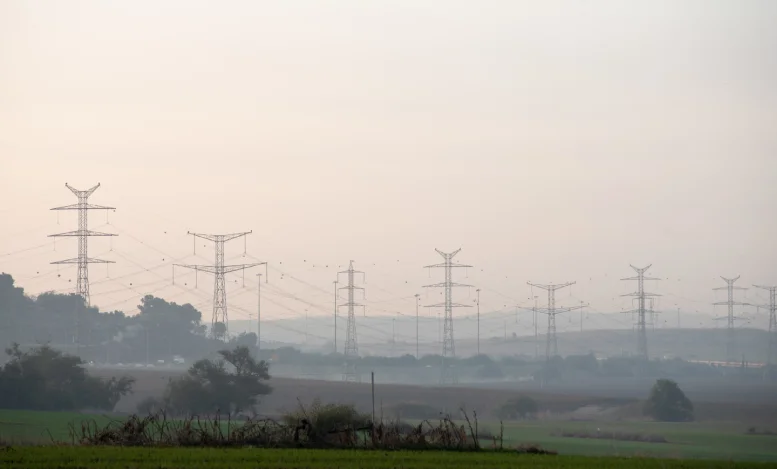
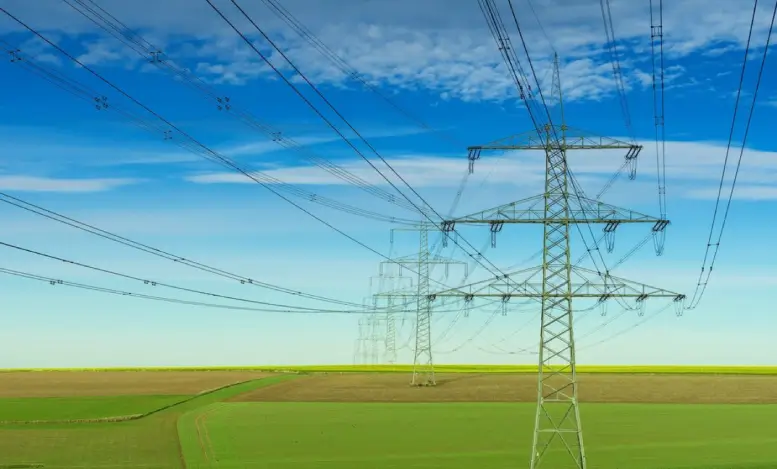
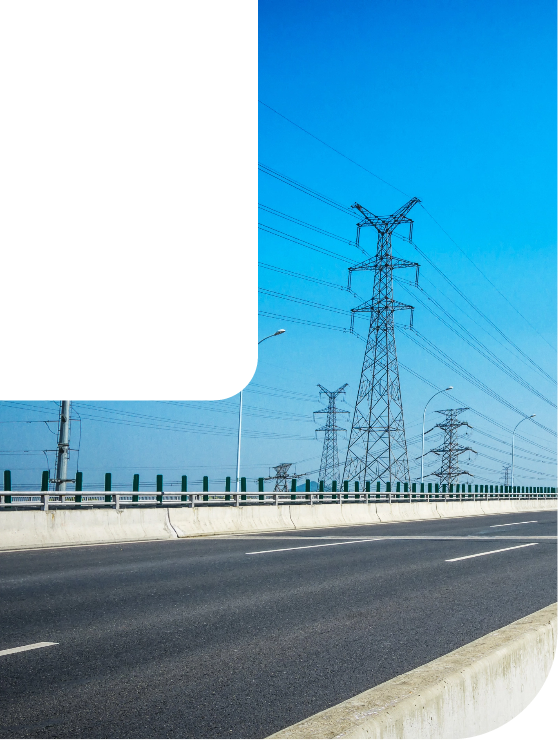
Power transmission infrastructure connects generation sources to distant consumers reliably. It includes towers, poles, substations, and extensive conductor networks. Moreover, these systems stretch across vast terrains and varied climates. You can imagine long lines cutting through fields and hills. However, such a scale brings serious complexity in design and execution. As a result, engineers must focus on precision at every stage. Ultimately, accuracy ensures stable and continuous power delivery.
Prototyping turns early ideas into tangible models that engineers can examine. You move from sketches and simulations to something you can inspect. Moreover, these models reveal how designs behave under realistic loads. For instance, teams check joints, connections, and overall stability carefully. However, drawings alone cannot expose every hidden weakness in design. In addition, physical models offer clearer insight into structural performance.
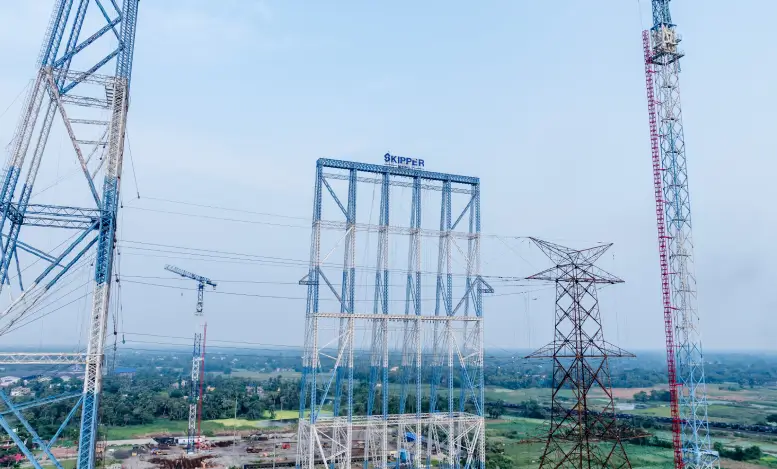
Manufacturers for prototype tests support this stage with precise setups. They recreate field conditions, including wind, weight, and stress factors. Consequently, engineers gather reliable data before large-scale production begins. Meanwhile, adjustments happen quickly. It saves both time and resources.
Testing before deployment reveals hidden issues. Drawings rarely expose them clearly. Engineers apply load tests carefully. They run stress and environmental checks. For instance, structures face wind pressure. They handle weight and temperature variations. Moreover, tests highlight potential weaknesses early. These may cause failures later. However, skipping testing risks costly breakdowns. Prototyping testing services verify designs against global standards. In addition, they ensure safety requirements. They confirm performance expectations. Consequently, engineers gain confidence before scaling production. Thus, proper testing protects reliability. It supports long-term infrastructure stability.
Manufacturers play a crucial role in turning designs into tested realities. They bring precision, experience, and technical insight to early validation stages. Moreover, manufacturers for prototype tests use advanced tools and simulation systems. These setups recreate real conditions like load, pressure, and environmental stress. For instance, engineers observe how structures respond under controlled testing scenarios. In addition, expertise helps identify issues that basic models may miss. Consequently, designs improve before moving to large-scale production phases. Meanwhile, strong testing facilities ensure accurate and consistent results. This way, skilled manufacturers support reliable and efficient infrastructure development.
Testing shapes real outcomes across demanding power transmission projects today. You can sense confidence when structures perform reliably under pressure. Moreover, proper validation extends lifespan and reduces unexpected maintenance issues. For instance, engineers detect weak joints before installation begins. In addition, this prevents failures that could disrupt entire networks.
However, high-voltage lines demand extra precision and strict standards. As a result, teams rely heavily on thorough testing before deployment stages. Meanwhile, cross-border projects require consistent performance across varied conditions. Ultimately, strong validation ensures stable, safe, and long-lasting infrastructure systems.
Prototyping and testing build strong and reliable infrastructure systems. They show how designs perform under real working conditions. Moreover, they connect design choices with actual performance outcomes. For instance, tested structures handle stress without sudden breakdowns. In addition, early validation improves long-term durability and efficiency. However, skipping tests often creates costly problems during later stages. Consequently, engineers depend on testing before moving to execution. Meanwhile, power demand keeps rising across regions and industries. As a result, systems must perform consistently under heavy loads. Therefore, precision in every stage becomes extremely important. Ultimately, careful testing supports safer, stronger, and future-ready infrastructure.


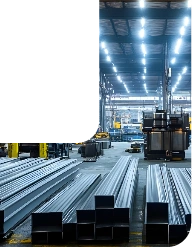
One of the world's largest integrated Transmission Tower manufacturing companies

The company is also engaged in EPC Projects in Power Transmission & Distribution, Telecom infra and Railway Structures
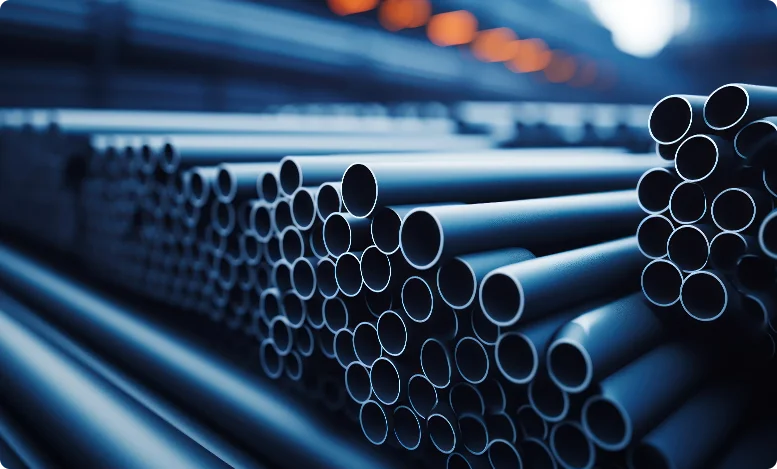
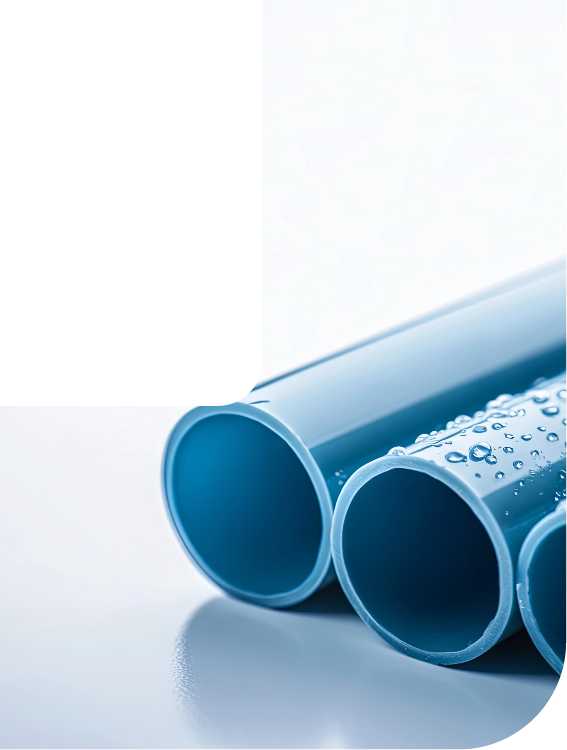
Skipper Limited is a national powerhouse in the Polymer Pipe business.

3A, Loudon Street, Kolkata- 700017, India