

03-Nov-2026 Admin
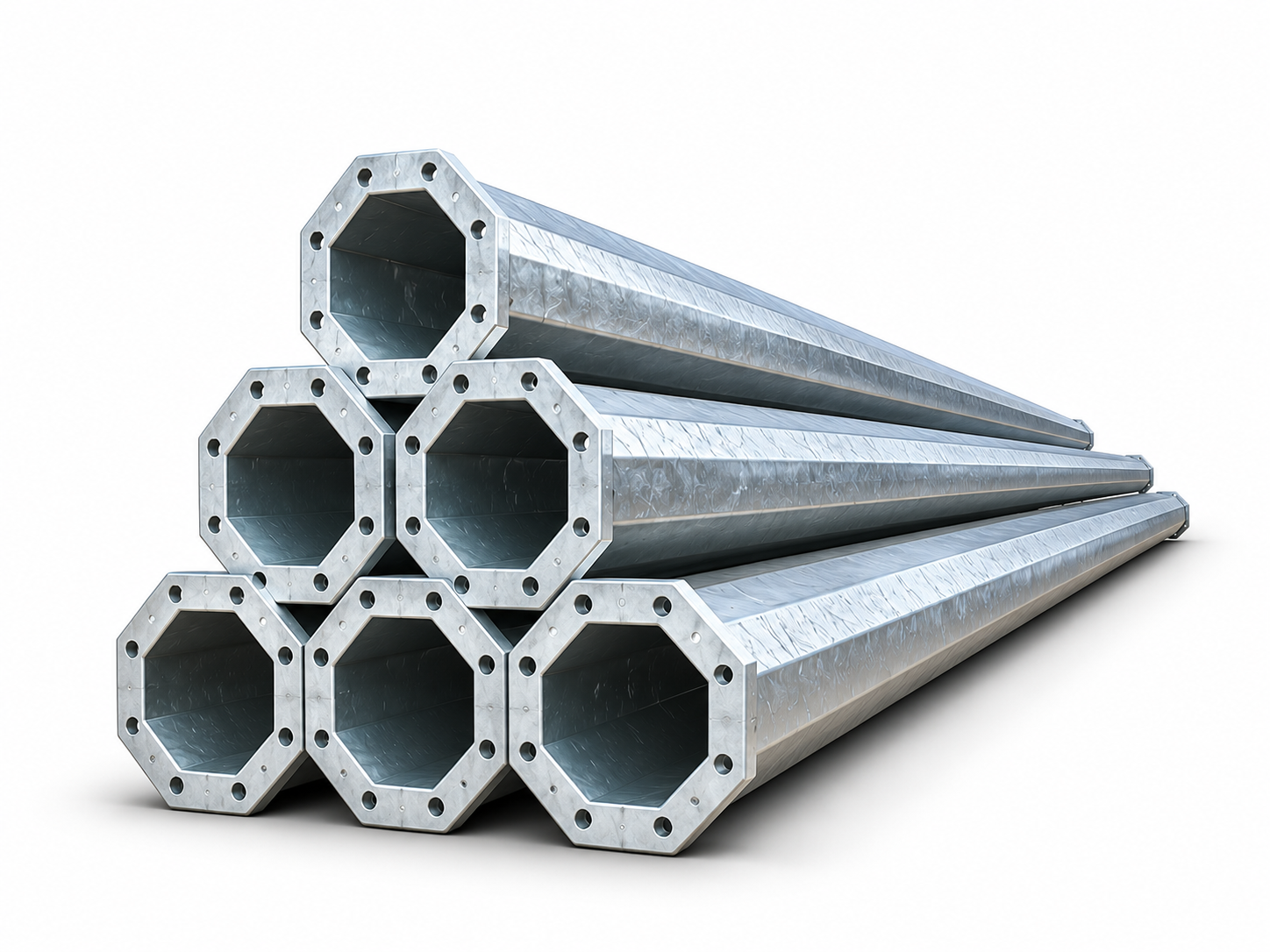
A galvanized steel pole is a tubular steel structure coated with zinc to resist corrosion, used to carry power lines and other equipment. Utilities use these poles when they need a strong, compact structure that lasts outdoors. This guide explains what galvanized steel poles are, the types Skipper Limited makes, how they are galvanized, and how to choose the right one. Skipper has supplied over 100,000 metric tons of poles worldwide and serves customers in 65+ countries.
A galvanized steel pole is made from steel and protected by a zinc coating. Steel is strong, but it rusts when left outdoors. The galvanized coating shields the steel from moisture and weather, which helps the pole last.
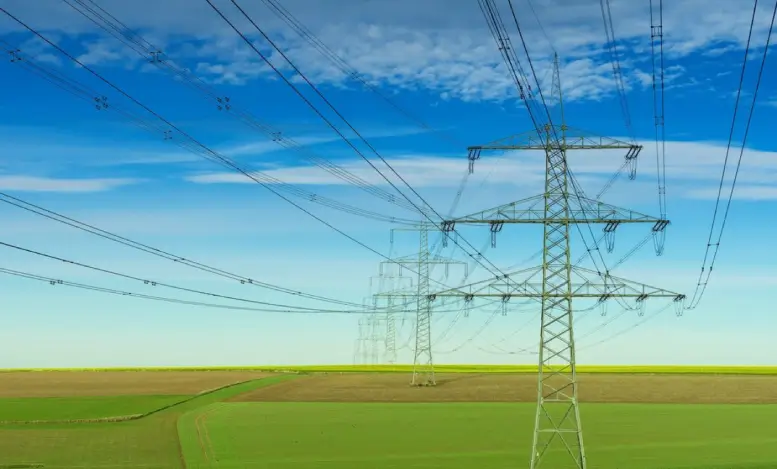
Skipper's poles are used across power transmission and distribution networks, from 33 kV distribution lines through to 765 kV transmission networks.
Skipper makes three main groups of poles for power networks:
Pole heights and load-bearing capacity are not fixed. They are custom-made to suit each project's requirements.
Skipper uses hot-dip galvanizing. The finished steel is dipped in molten zinc, which bonds to the surface and forms a protective coat. Skipper's poles use single-dip galvanizing, and the company describes the result as a long-lasting, flawless finish. Skipper has seven in-house automated galvanizing plants that can handle even the largest structures, so poles are galvanized without leaving the company's own production chain.
For a deeper look at the process, read What is Hot Dip Galvanizing.
Skipper's poles are made through a fully backward-integrated process:
Design is handled by an in-house engineering team using industry-standard design and drawing software.
See also Applications of Steel Monopoles and High Mast Poles Applications, Benefits and Selection Guide.
Every pole design is proven before it goes into service. Skipper's in-house testing facility is NABL-accredited and has two adjacent full-scale load test beds. The test station is accredited to ISO/IEC 17025:2017. Skipper's quality system includes ISO 9001, ISO 14001 and ISO 45001.
Skipper Limited is a global transmission and distribution infrastructure and engineering solutions provider, with engineering production capacity of 375K MTPA, 45+ years of experience and customers in 65+ countries. Registered office: 3A, Loudon Street, Kolkata-700017, India. To discuss a pole requirement, contact our team through the Contact Us page.
It is a tubular steel pole coated with zinc to resist corrosion, used for power transmission and distribution lines.
Skipper uses single-dip hot-dip galvanizing, where the steel is dipped in molten zinc, in its own seven in-house plants.
Skipper's engineered poles suit 33 kV to 765 kV, and standard class poles suit medium and low voltage networks.
Engineered poles use steel conforming to ASTM A572-65 and other American standards. Standard class poles comply with IS:2713, BS 4360 and ASTM.
Neither is better in every case. Steel poles take less space and suit constrained areas. Lattice towers are used widely on open-land transmission lines.


One of the world's largest integrated Transmission Tower manufacturing companies

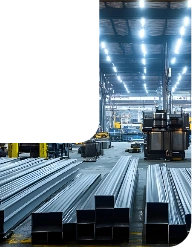
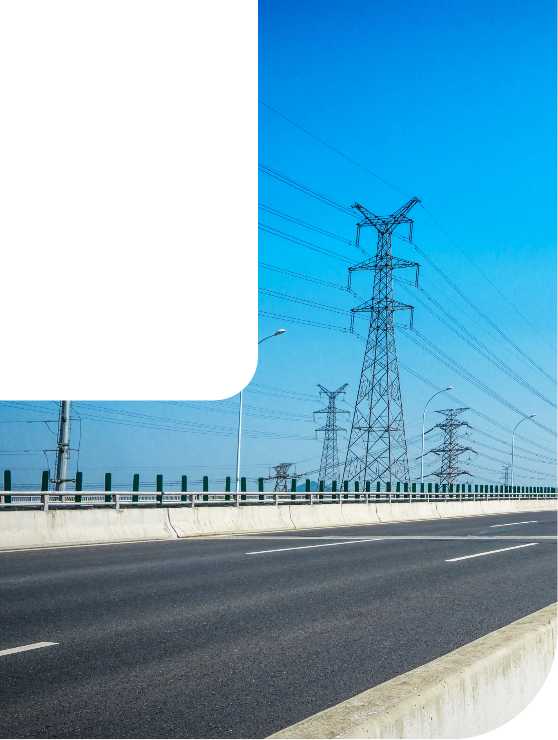
The company is also engaged in EPC Projects in Power Transmission & Distribution, Telecom infra and Railway Structures
Skipper Limited is a national powerhouse in the Polymer Pipe business.

3A, Loudon Street, Kolkata- 700017, India