

09-Sep-2026 Admin
What Is a Galvanizing Plant?
A galvanizing plant is a manufacturing facility where steel components are coated with zinc through a hot-dip immersion process, creating a metallurgical bond that protects the steel from corrosion for decades. Unlike outsourced coating services, an in-house galvanizing plant allows a manufacturer to control quality, turnaround time, and coating consistency across every batch — without depending on third-party vendors.
For companies building transmission towers, poles, fasteners, and railway structures, owning this capability in-house is a significant operational advantage, since it removes a major bottleneck from the production timeline.
Inside Skipper's Hot-Dip Galvanizing Plant
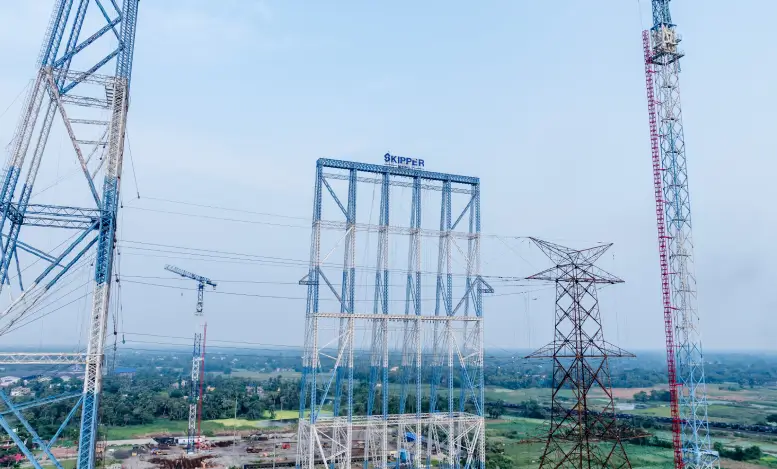
Skipper Limited operates one of the largest fully automated, robotic hot-dip galvanizing facilities in India, built with a high-volume capacity of 2,000 tons. This scale allows Skipper to galvanize everything from small fasteners to large structural components within the same integrated facility, rather than relying on external coating vendors.
This capability sits within Skipper's broader backward-integrated manufacturing model, where the company manages every stage of production — angle rolling, fabrication, galvanizing, prototype assembly, and full-scale load testing — under one roof. For customers, this means consistent quality control from raw material to finished, galvanized product, with fewer handoffs and fewer points of failure.
Skipper's hot dip galvanizing services extend across its full engineering product range, including:
Because galvanizing happens in-house rather than through outsourced vendors, Skipper is able to maintain tighter control over coating thickness, turnaround time, and batch-to-batch consistency — a meaningful advantage for large infrastructure projects where delays or inconsistent coatings can affect project timelines.
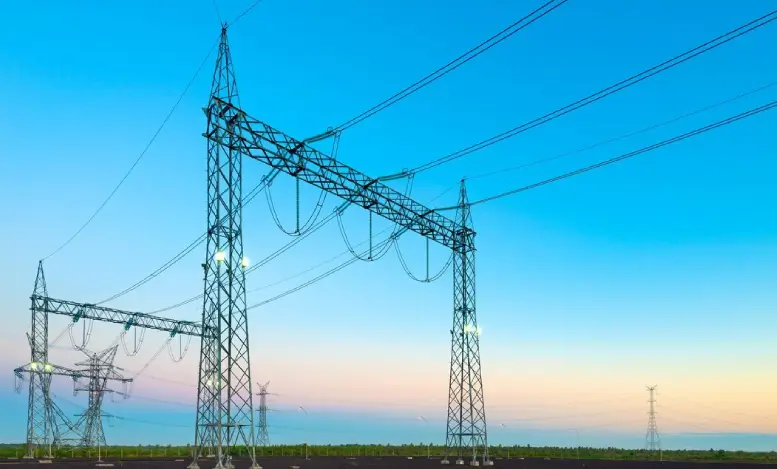
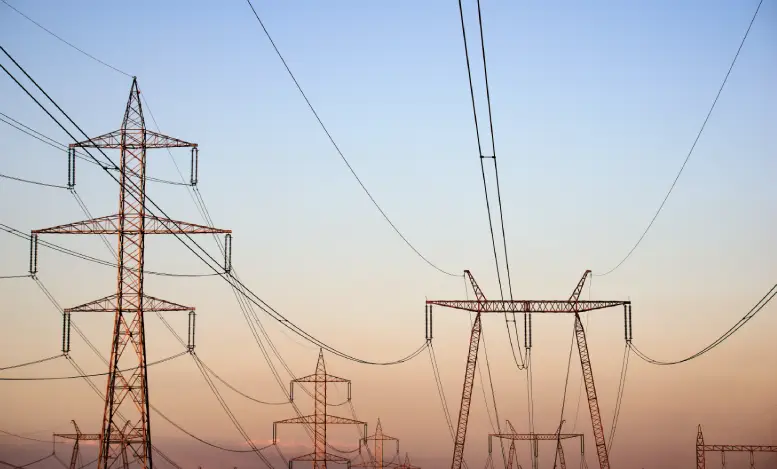
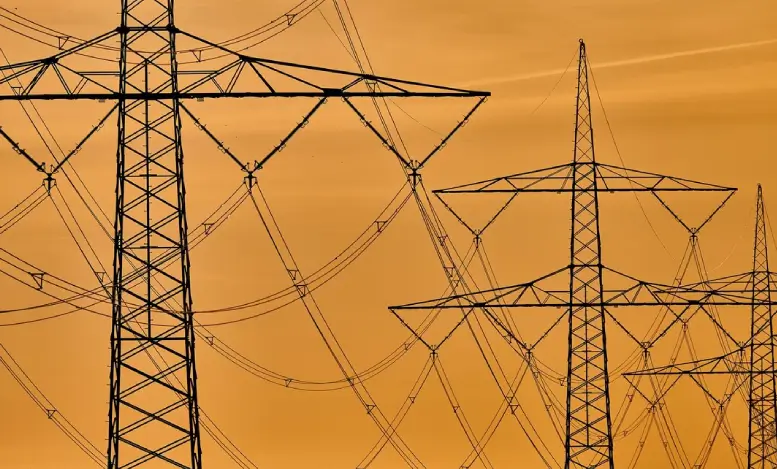
Galvanized steel structures are the standard choice for outdoor infrastructure because the zinc coating protects against rust and weathering far more effectively than paint or powder coating, which sit on the surface rather than bonding with the steel itself. This translates directly into lower maintenance costs and a longer service life for structures that are expensive and disruptive to replace once installed — such as transmission towers, railway masts, and high mast poles.
Skipper's own product pages reflect this priority: its transmission and distribution poles are explicitly built around single-dip galvanizing for durability, and its company profile highlights hot-dip galvanized steel structures — including fasteners, substation structures, and tower accessories — as a core part of its manufacturing offering.
While the specific engineering parameters vary by product, the core hot-dip galvanizing workflow at Skipper follows the same disciplined sequence used across the industry:
This process is fully automated and robotic at Skipper's facility, reducing manual handling and helping maintain consistent coating quality across high production volumes.
Skipper's manufacturing operations, including its fastener and galvanizing lines, are certified under ISO 9001:2015, ISO 14001, ISO 45001:2018, and OHSAS 18001 — covering quality management, environmental management, and occupational health and safety. These certifications apply across Skipper's integrated production environment, of which the galvanizing plant is a core part.
For infrastructure buyers evaluating galvanizing plant manufacturers or hot dip galvanizing services, Skipper's combination of in-house capacity, backward integration, and decades of manufacturing experience positions it as a reliable, quality-consistent partner — rather than one more link in an outsourced supply chain.
A hot dip galvanizing plant is a manufacturing facility that coats steel components with zinc through hot immersion, creating a durable, corrosion-resistant metallurgical bond rather than a surface-level coating.
Skipper operates its own fully automated, robotic hot-dip galvanizing facility with a 2,000-ton capacity, keeping the process in-house rather than outsourcing it to third-party vendors.
Skipper galvanizes transmission and distribution poles, fasteners and tower accessories, railway electrification structures, substation structures, and telecom towers within its integrated manufacturing facility.
Galvanized steel structures resist corrosion far more effectively than painted or powder-coated steel, since the zinc coating bonds metallurgically with the steel rather than sitting on the surface — resulting in lower maintenance costs and a longer structural service life.
Skipper's manufacturing operations are certified under ISO 9001:2015, ISO 14001, ISO 45001:2018, and OHSAS 18001, covering quality, environmental, and occupational health and safety management.


One of the world's largest integrated Transmission Tower manufacturing companies

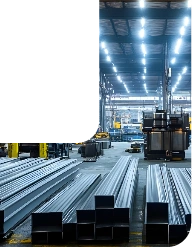
The company is also engaged in EPC Projects in Power Transmission & Distribution, Telecom infra and Railway Structures
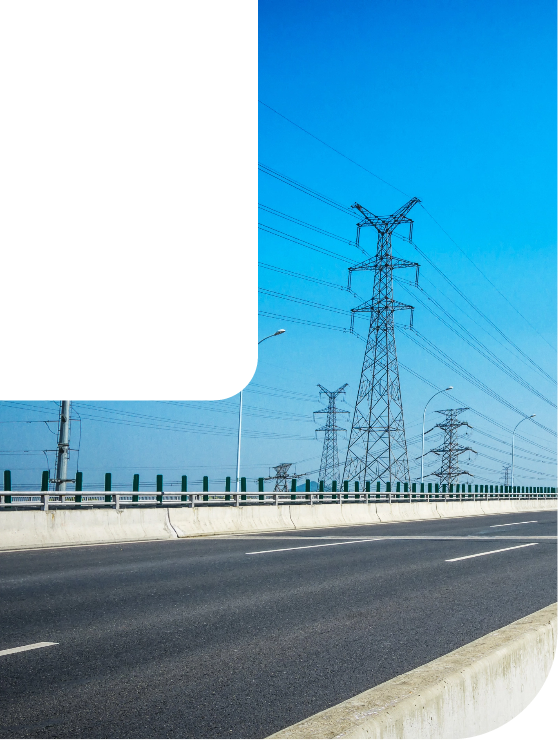
Skipper Limited is a national powerhouse in the Polymer Pipe business.

3A, Loudon Street, Kolkata- 700017, India