

07-Sep-2026 Admin
Steel infrastructure always faces relentless environmental stress. And it keeps happening throughout its operational life. Moisture, pollution, and chemicals gradually weaken the exposed steel surfaces. Corrosion silently reduces strength and increases maintenance requirements. Hot dip galvanizing offers reliable protection against these persistent challenges.
It creates a durable zinc coating over steel surfaces. This protective layer withstands demanding outdoor conditions remarkably. The industries that rely upon it include:
Industrial facilities also benefit from its proven long-term performance.
Skipper carries out integrated manufacturing with advanced galvanizing capabilities nationwide. Its engineering expertise supports dependable steel infrastructure across diverse industries.
This blog explains the galvanizing process with practical clarity. You'll discover its benefits, applications, and lasting value. It also helps you choose effective corrosion protection confidently.
It protects steel through a highly controlled immersion process. Manufacturers dip prepared steel in a bath of molten zinc. Therefore, the zinc reacts immediately with the surface of the steel. The reaction results in a strong metallurgical bond, not just a surface coating.
The zinc coating permanently bonds with the steel surface. Unlike paint, it never simply covers the metal. It resists corrosion, impact, and harsh weather consistently. The protective layer also needs minimal routine maintenance. Industries trust this process for long-lasting structural performance. Engineers specify it for towers, poles, bridges, railways, and factories. Reliable protection matters where safety always comes first. This proven solution delivers dependable performance for many decades.
The process begins with thorough surface cleaning and degreasing. Workers carefully remove dirt, oil, and other surface contaminants. Next, acid pickling eliminates rust and stubborn mill scale. Fluxing then prepares steel for stronger zinc adhesion. Afterwards, manufacturers immerse the steel completely in molten zinc.
The molten zinc forms a durable metallurgical bond instantly. Cooling removes excess zinc and stabilizes the protective coating. Final finishing improves appearance and overall surface consistency. Engineers inspect coating thickness, adhesion, and visible surface quality.
Every stage follows strict quality compliance requirements consistently. Companies like Skipper combine automated galvanizing facilities with advanced manufacturing. Their rigorous testing processes ensure dependable coating quality across every infrastructure component.
This incredible process offers advantages beyond simple corrosion protection. The zinc coating shields every exposed steel surface completely. This complete coverage reduces hidden corrosion risks significantly. The zinc coating forms a robust bond with steel. As a result, it endures harsh operating conditions confidently. It also resists abrasion and surface damage more effectively than conventional coatings.
Maintenance requirements remain low throughout the product's lifespan. Lower maintenance naturally reduces long-term ownership costs considerably. Installation becomes easier because protective treatment already exists. Outdoor structures perform reliably despite changing environmental conditions.
The process also supports sustainable construction through extended material life. Fewer replacements reduce resource consumption over many decades. Together, these benefits make galvanized steel a dependable choice. Engineers confidently specify it for demanding infrastructure and industrial applications.
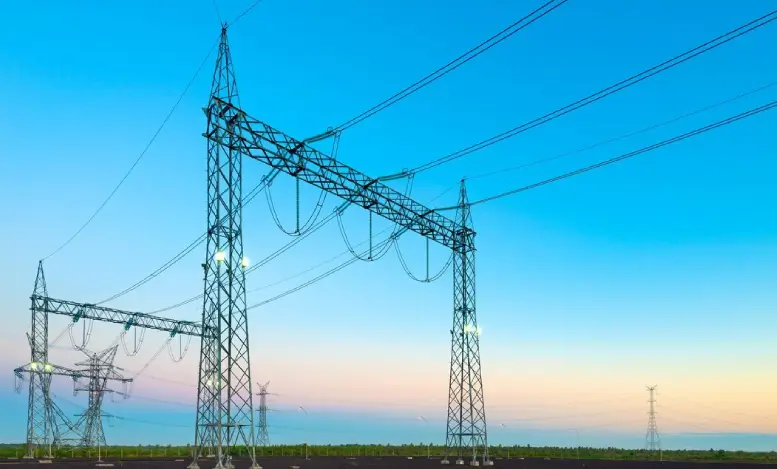
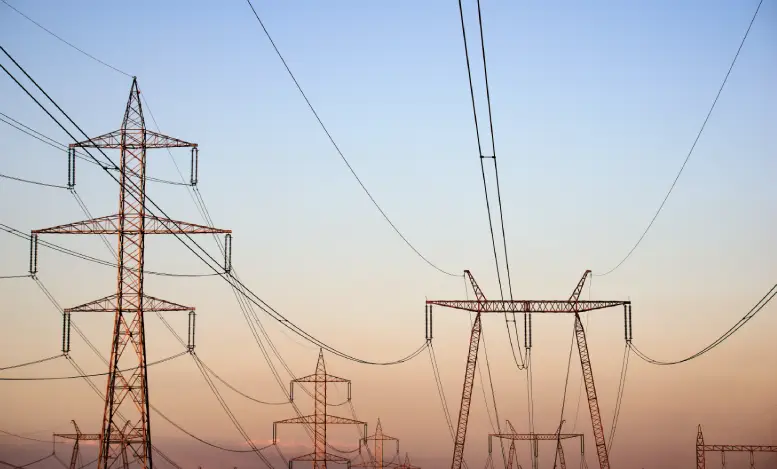
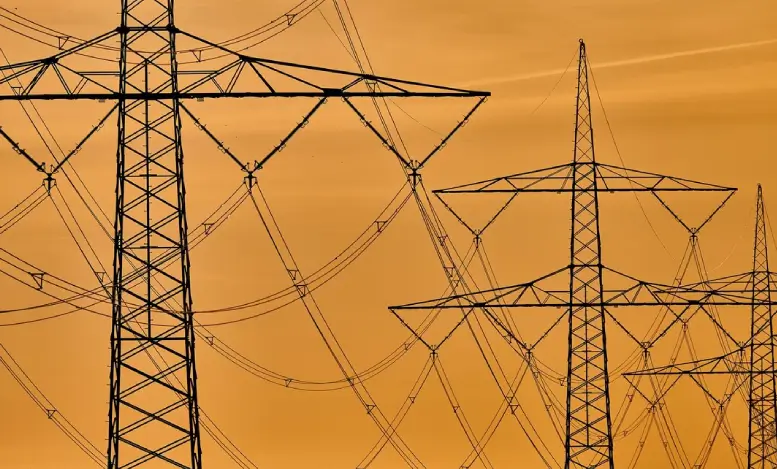
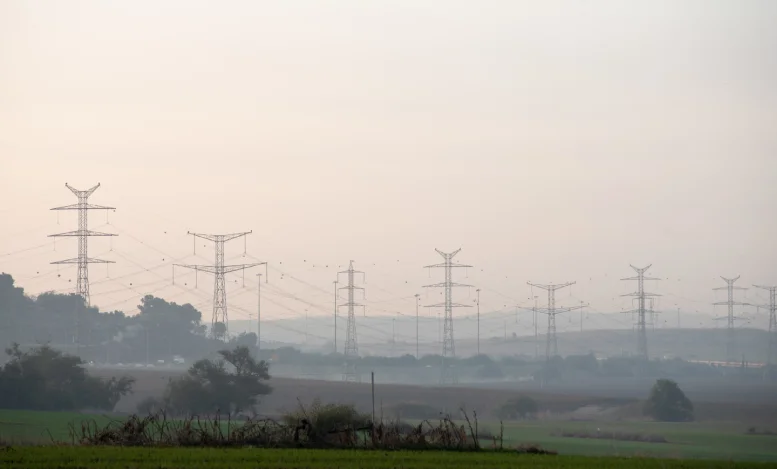
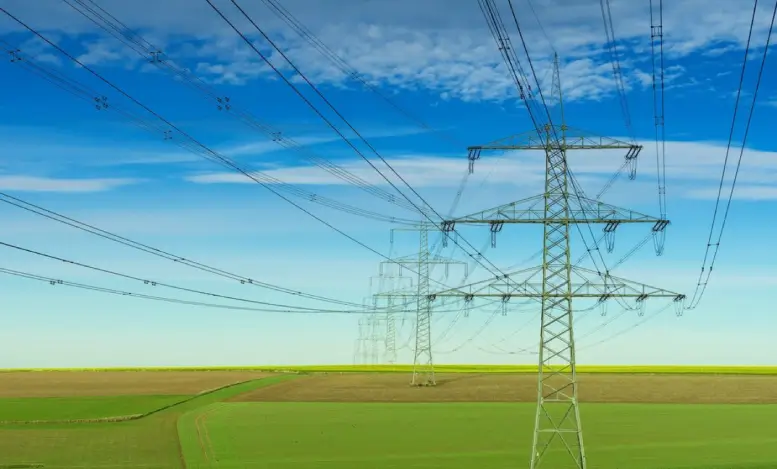
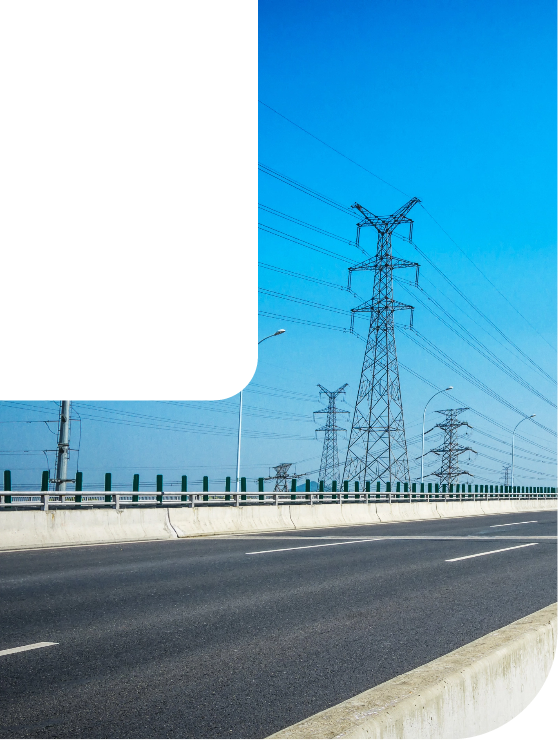
Hot dip galvanizing serves countless infrastructure applications across demanding environments. Transmission towers depend upon lasting corrosion protection every single day. Likewise, power distribution networks require dependable structural reliability continuously.
Therefore, a galvanized steel pole remains a preferred industry solution. It delivers dependable performance despite relentless outdoor exposure. Street lighting poles also benefit from exceptional weather resistance. Moreover, telecom towers withstand changing climates with greater confidence.
The electrification of railways requires components that are durable and require little maintenance. Solar mounting structures are always exposed to the sun, moisture, and temperature variations. Thus, the need for powerful protective coatings becomes necessary. Corrosion-resistant steel is also used in industrial plants to help their operations run smoothly. Bridges stand up to constant traffic, pollutants, and extreme seasonal weather. Thus, protective zinc coatings are efficient in maintaining long-term structural integrity. Galvanized steel structures also help renewable energy and industrial development.
In addition, they strengthen critical infrastructure with dependable long-term durability. Every application demands resilience without unnecessary maintenance interruptions. Reliable protection also extends asset life and operational efficiency. Ultimately, engineers choose galvanized solutions for lasting peace of mind. They balance strength, durability, and value across challenging project environments. That enduring performance explains their widespread adoption worldwide.
Every protective coating has its own significance. But the real test comes when conditions are harsh. With ease, hot dip galvanizing meets that need. The zinc coating not only resists moisture and abrasion, but also harsh weather. It also prevents maintenance issues for years. Its durability makes it the backbone of critical infrastructure where failure is impossible.
Its bonded zinc covering can handle tough exterior situations with confidence. Paint coatings provide initial protection, but require periodic upkeep.
Powder coatings offer appealing surfaces with moderate durability. But neither of them makes the same metallurgical link to steel. Consequently, their service life is often comparatively shorter. Extended periods of operation also increase maintenance costs. That’s why galvanizing is often the preferred option for critical infrastructure applications. Thus, the correct coating is determined by project needs and exposure to the environment.
Manufacturing expertise influences every project's long-term success significantly. Buyers should evaluate infrastructure, automation, and engineering capabilities carefully. Strong quality control ensures dependable coating consistency every time. Advanced testing and certifications reinforce manufacturing credibility further.
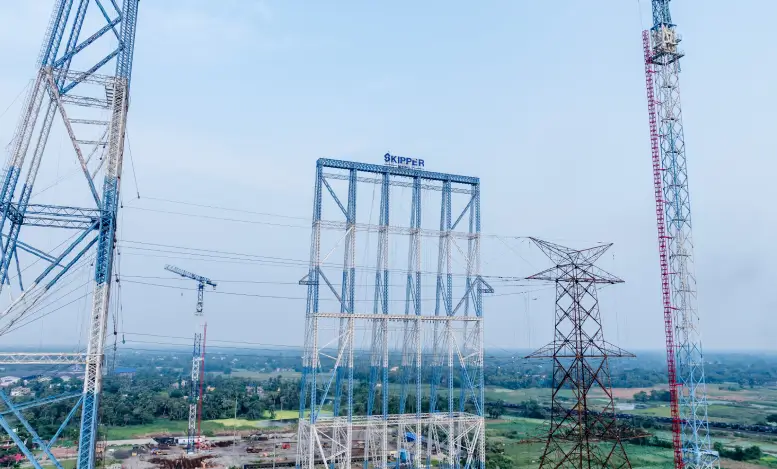
Skipper combines integrated manufacturing with advanced galvanizing facilities. Its engineering expertise supports complex domestic and international infrastructure projects. Reliable hot dip galvanizing services always depend on experienced manufacturers. Proven capabilities consistently deliver durable, compliant, and high-quality steel protection.
Hot dip galvanizing is a controlled immersion process where prepared steel is dipped in a bath of molten zinc, creating a metallurgical bond — not just a surface coating — that protects steel from corrosion for decades.
The process follows five stages: surface cleaning and degreasing, acid pickling to remove rust and mill scale, fluxing to prepare the steel for zinc adhesion, immersion in molten zinc, and finally cooling and finishing. Skipper combines automated galvanizing facilities with rigorous testing at every stage.
It delivers superior corrosion resistance, extended structural service life, lower long-term maintenance costs, and improved weather resistance — making it the preferred protection method for transmission towers, poles, and other outdoor steel structures.
Power transmission, telecom, transportation, and renewable energy sectors rely on it most, along with industrial facilities that need long-term corrosion protection.
It's used on transmission towers, distribution poles, street lighting poles, telecom towers, railway electrification components, solar mounting structures, industrial plant structures, and bridges — anywhere steel faces sustained outdoor exposure.
Galvanizing forms a metallurgical bond with the steel, while paint only sits on the surface and needs periodic reapplication. Powder coatings offer moderate durability but, like paint, don't chemically bond with the steel — so their service life is comparatively shorter.
No — galvanized steel requires minimal routine maintenance, which is one of its biggest advantages over painted steel, directly reducing long-term ownership costs.
Key factors include steel composition suitability, coating thickness verification, environmental exposure assessment, compliance with industry standards, fabrication quality, and the supplier's production capabilities and expertise.
Skipper combines integrated manufacturing with advanced, automated galvanizing facilities nationwide, supporting complex domestic and international infrastructure projects with consistent coating quality.


One of the world's largest integrated Transmission Tower manufacturing companies

The company is also engaged in EPC Projects in Power Transmission & Distribution, Telecom infra and Railway Structures
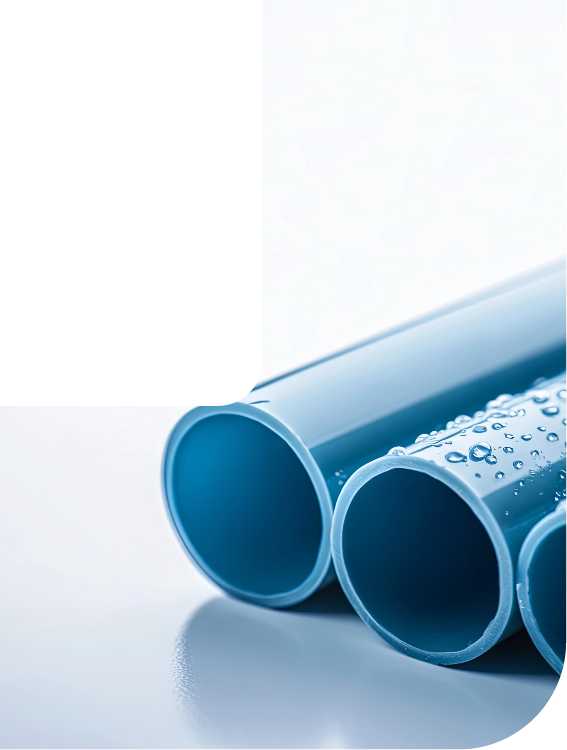
Skipper Limited is a national powerhouse in the Polymer Pipe business.

3A, Loudon Street, Kolkata- 700017, India