

20-Nov-2026 Admin
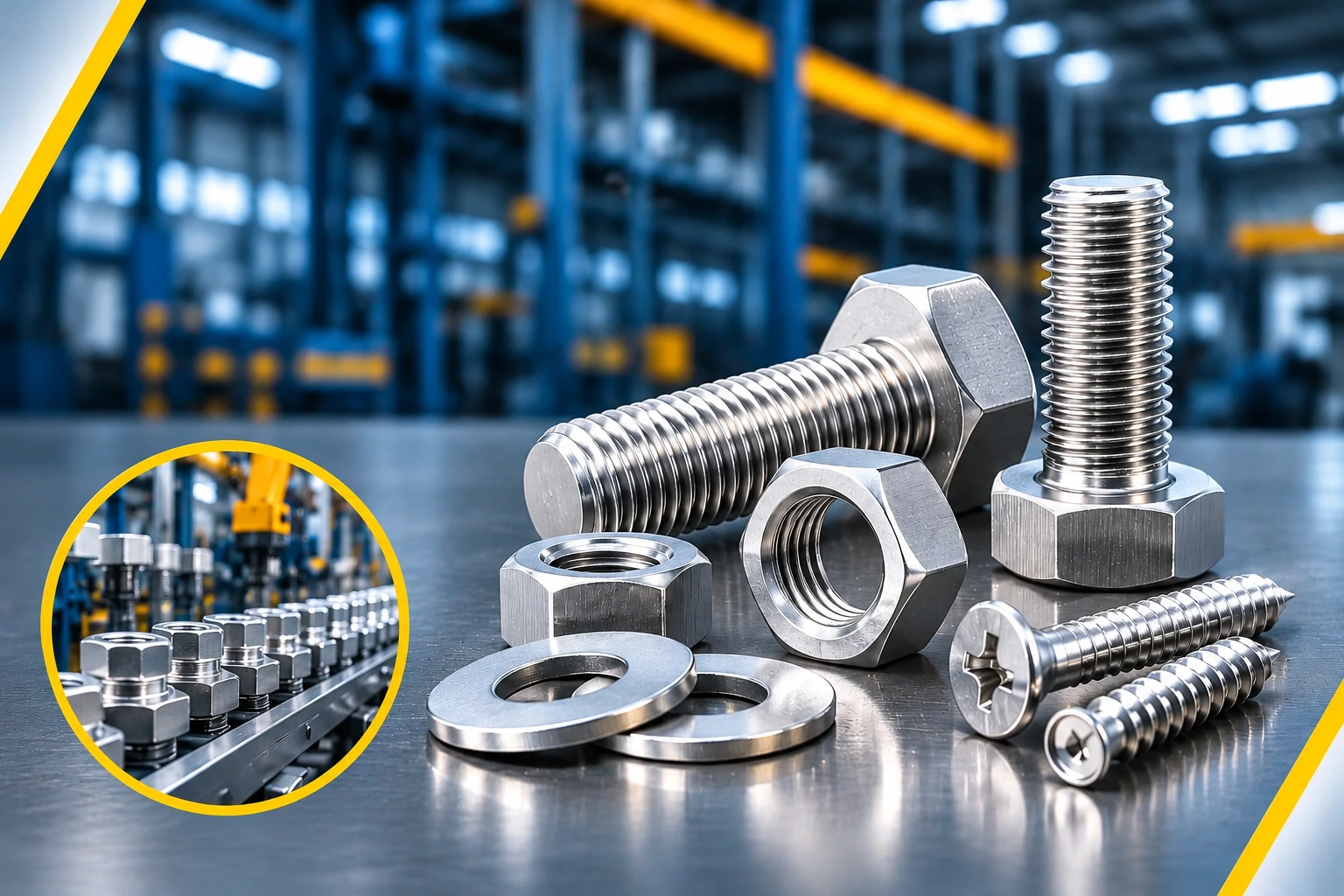
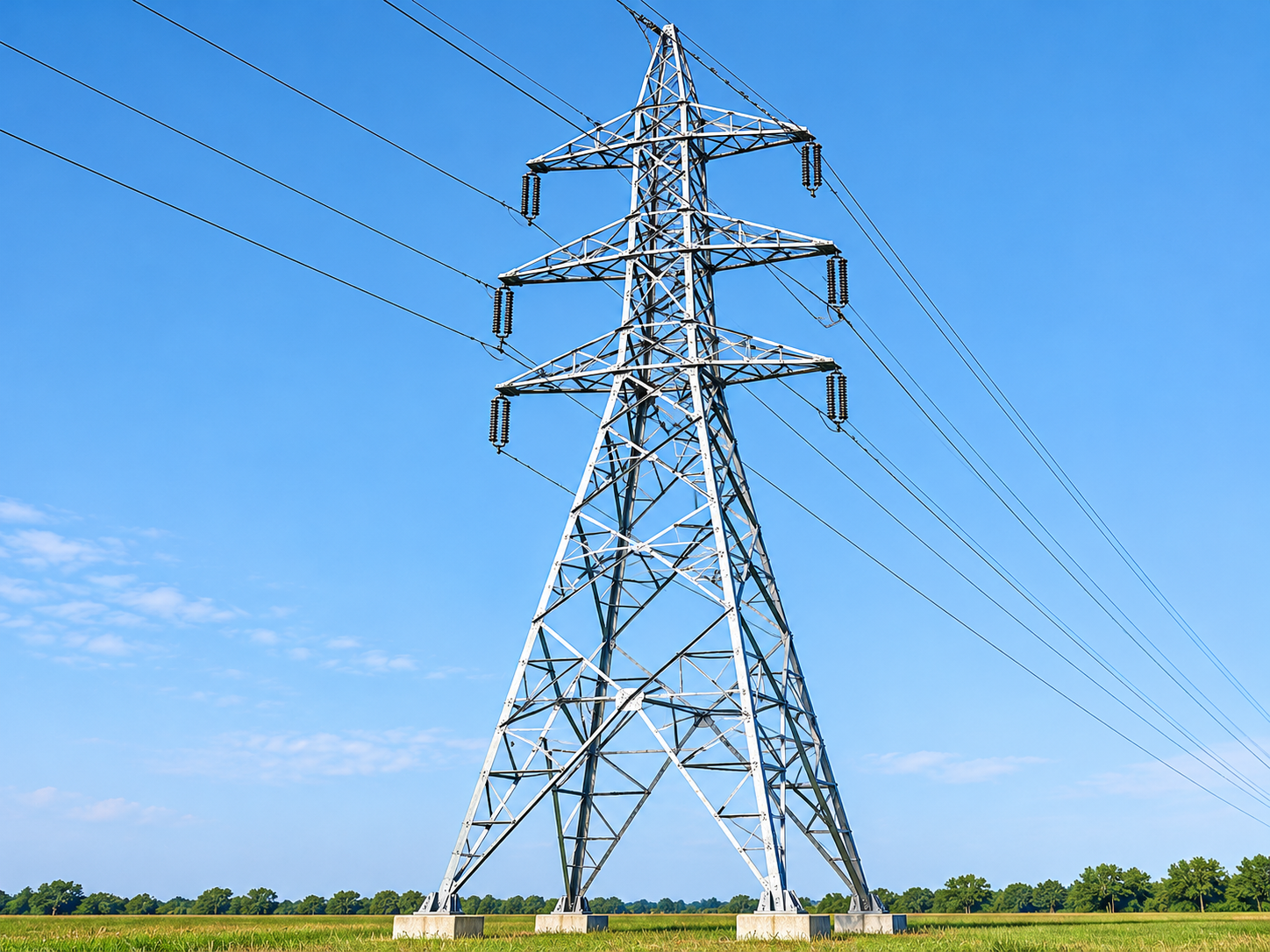
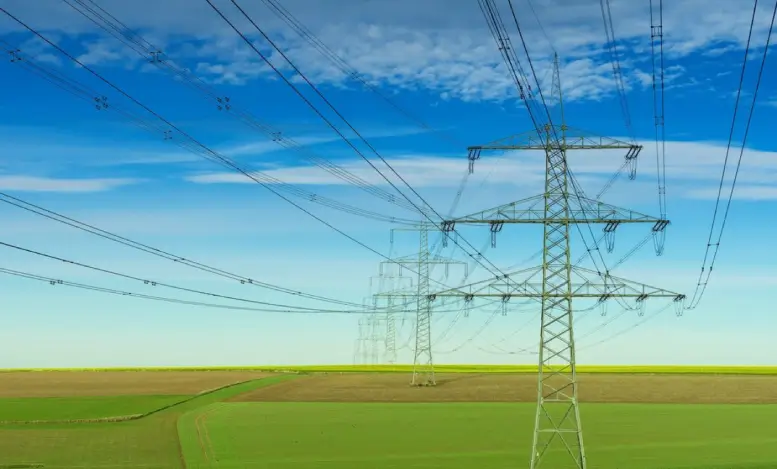
In big infrastructures like power transmission towers and railway networks, even the smallest of components have a role to play. Bolts, nuts, washers, and stud bolts connect different sections and enable the structure to support the loads it has to deal with in daily use.
So the choice of the correct fastener is not only a matter of choosing a cheap one. Material, strength, size, and protective coating affect its performance in its intended application. These components are supplied by Indian manufacturers for projects across the country and in overseas markets.
For buyers, knowledge of the many types of fasteners, the requirements they meet and the quality checks manufacturers undertake can assist them in selecting a supplier. A practical starting point to understand what these requirements mean is the fastener selection offered by Skipper Limited.
|
Fastener type |
Function |
Relevant applications |
|
Mild steel bolts and fasteners |
Secure general-purpose mechanical joints |
Structural assemblies and general engineering |
|
High-tensile fasteners |
Support joints requiring specified strength and mechanical properties |
Transmission infrastructure and heavy engineering |
|
Threaded stud bolts |
Join components through threaded connections, often with nuts |
Flange joints, pipelines, valves and pumps |
|
Hex nuts and heavy hex nuts |
Engage with compatible threaded bolts or studs |
Structural and industrial bolted connections |
|
Standard/pack washers |
Distribute load around a bolted connection |
Steel structures and equipment assemblies |
|
Spring washers and HT washers |
Provide application-specific fastening support |
Assemblies exposed to vibration or requiring high-strength bolting |
|
Chamfered/machine washers |
Distribute load in suitable high-strength bolting arrangements |
Preloaded structural joints |
|
Foundation bolts |
Anchor structures or equipment to foundations |
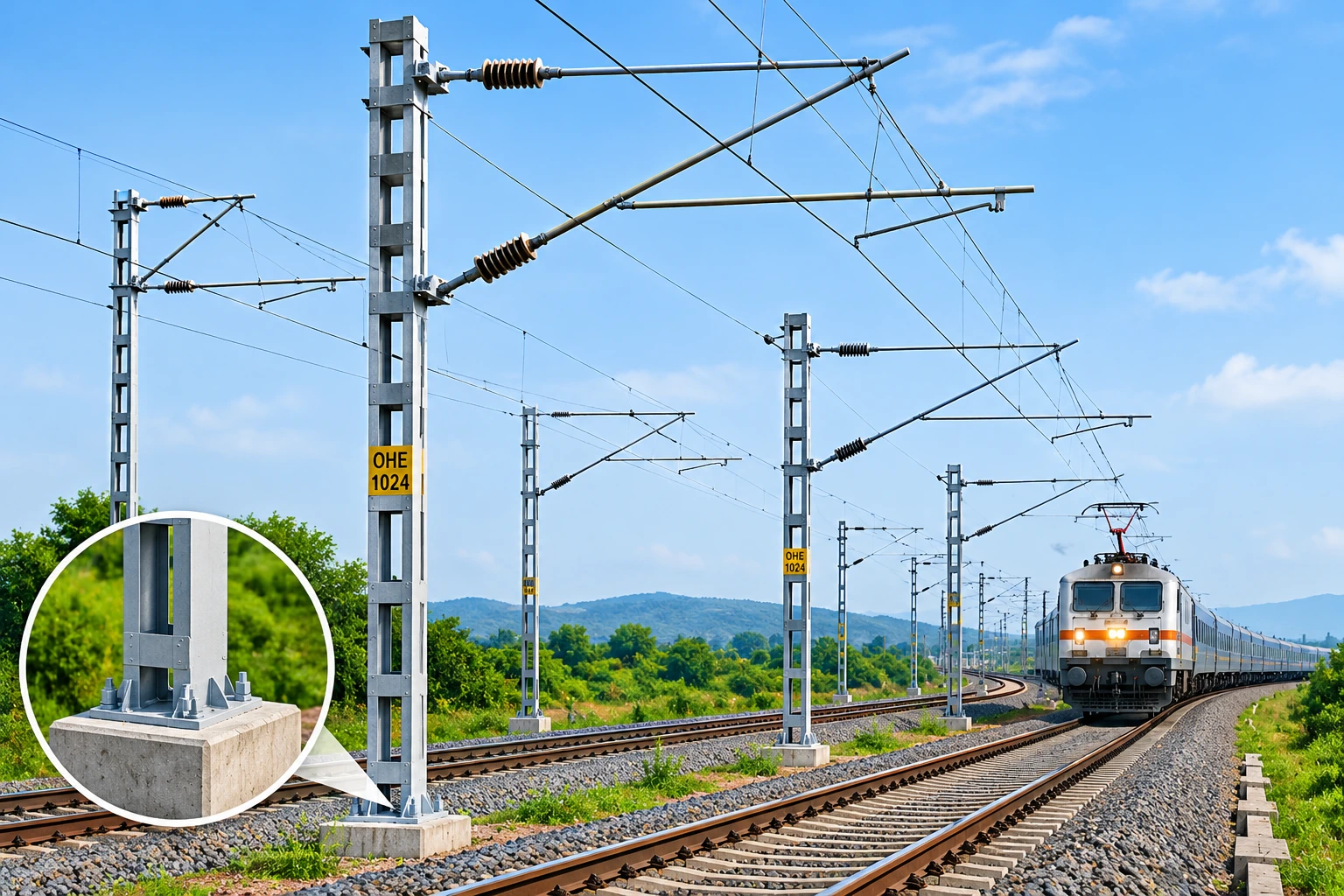
Transmission lines, railway structures and wind turbine foundations |
The strength required from a bolted joint may vary. Mild steel fasteners are generally suitable for applications where medium load capacities are necessary, and high-tensile fasteners are intended for connections subjected to higher stresses.
It's a matter of the work, not only which fastener is stronger. The appropriate grade will be chosen by engineers based on the estimated load, the design of the joints, and the project parameters. Skipper is a manufacturer of high tensile and mild steel fasteners in different grades for various engineering applications.
A good joint depends on how well the parts operate together. A stud bolt needs a matching nut. The washer needs to be appropriate to the joint, and to help distribute the load, as intended. Even a high-quality bolt can be a problem if the other parts don’t match its specs.
If the clamping force is too low, the joint may become loose in operation. If it is too high, the fastener or the items being joined may be damaged. In transmission systems and industrial assemblies, the problem is to find the proper balance, with joints that must be secure under the real pressures of working life.
Two fasteners can seem practically identical yet react differently under load. Often the difference is the material, or grade and criteria they meet. They provide the buyer with a way to verify these characteristics. Otherwise, you must depend on the provider's description or appearance.
Standards will vary with the application and the country where the fasteners will actually be used; thus, there is no one checklist for all projects. This is why buyers have to check the required grade, surface coating, and the relevant test paperwork before an order is finalized. Getting these things sorted out early on saves time down the track, prevents supply concerns creeping in, and means everyone doesn’t have to do things twice once the project is underway.
|
Standard or specification |
Relevance to the article |
|
IS 1367 |
Indian standard series covering technical delivery conditions for threaded steel fasteners |
|
IS 12427 |
Referenced on Skipper's published engineering materials for tower fasteners |
|
ISO |
International standards framework covering fastener specifications and related requirements |
|
ASTM |
Standards framework relevant to specified materials, fasteners and testing requirements |
|
DIN |
German-origin standards frequently referenced in engineering specifications |
|
BS EN 14399 |
European standard series for high-strength structural bolting assemblies for preloading |
Even if a fastener passes a specified standard, it could still not be acceptable for a particular job. Its grade, size, and strength must be compatible with the needs of the joint, and the coating should be compatible with the conditions in which it will be utilized.
You also need to be sure that the manufacturer has done the necessary tests and can supply you with the appropriate test reports. Before confirming a purchase, it is worthwhile reviewing the latest standard and the project’s own specifications. This easy step can save a lot of trouble when the fasteners arrive on site.
A vast catalogue and a competitive estimate don't really inform a buyer much about whether a manufacturer can supply consistent quality, order after order. For instance, price alone can be deceiving. If you are buying a bolt, a more expensive bolt that is actually forged correctly will almost always last longer than a cheap bolt that looks the same, but has hidden flaws that no one sees until it’s already in place.
This is exactly why experienced industrial buyers tend to go past the apparent and ask deeper questions, beginning with something as simple as production competence. Are they able to genuinely manufacture the dimensions, grades, and combinations that the project requires, or are they merely providing whatever is easiest for them to produce?
Then the debate naturally goes to process control. Cold forging and heat treatment must be done exactly the same every time, because one uneven batch can quietly introduce a weakness that is invisible until the part is under significant load, at which point it's too late to do much about it. Material quality is next in importance. Even a nicely forged bolt doesn't signify much if no one can trace what raw material actually went into it. Without it, the buyer is just trusting the maker, and in industrial settings, that’s typically not good enough.
Testing and inspection are there to fill this gap, to check whether mechanical qualities, dimensions, and coating specifications are indeed what was promised and not what was anticipated. Certifications also play a role here, but only if they are up to date and actually relevant to the particular product line in question and not just some broad mark of approval lying on a wall somewhere.
And then there is order execution, where, in practice, many manufacturers that look solid on paper silently stumble. Under pressure, production capacity, correct documentation, meticulous packaging, and realistic delivery plans all need to come together, and it’s frequently this last stretch that distinguishes a company worth counting on from one that just talks a nice game.
|
Export consideration |
What buyers should verify |
|
Destination-market standards |
Applicable national, international and project specifications |
|
Product grades |
Required mechanical properties and compatible components |
|
Corrosion protection |
Specified coating type, thickness and inspection requirements |
|
Quality documentation |
Inspection records, test certificates and traceability, as required |
|
Packaging and identification |
Correct labelling, batch identification and protection during transit |
|
Delivery planning requirements |
Production schedules, shipment documentation and destination requirements |
Ultimately, selecting the perfect industrial fastener is not about picking from a vast list; it is about getting the specifications, mechanical qualities, production methods and applicable standards right, every single time.
Skipper Limited’s fastener portfolio is based on this understanding and offers mild steel and high-tensile fasteners, threaded stud bolts, nuts, washers and foundation bolts supported by in-house cold forging, heat treatment and surface-finishing facilities. All this, coupled with engineering skills gained across infrastructure projects in India and abroad, makes Skipper a real alternative worth considering.


One of the world's largest integrated Transmission Tower manufacturing companies

The company is also engaged in EPC Projects in Power Transmission & Distribution, Telecom infra and Railway Structures
Skipper Limited is a national powerhouse in the Polymer Pipe business.

3A, Loudon Street, Kolkata- 700017, India